
Understanding THC Oil and Its Benefits
What is THC Oil?
THC oil, short for tetrahydrocannabinol oil, is a concentrated form of cannabis extract that contains high levels of THC, the primary psychoactive compound found in the cannabis plant. This oil is derived from various cannabis strains through methods such as solvent extraction or CO2 extraction, allowing users to experience the euphoric effects of THC in a more potent form. Often utilized in medicinal and recreational contexts, THC oil can be consumed in various ways, including tinctures, vape pens, or even in cooking. Many people seek out resources on how to make thc oil to harness its potential benefits at home.
Benefits of Using THC Oil
The potential advantages of using THC oil are numerous, appealing to both recreational users and those seeking therapeutic relief. One of the most notable benefits is its ability to alleviate pain, making it a popular choice for individuals suffering from chronic conditions. Some studies indicate that THC may reduce inflammation, providing further relief. Additionally, THC oil can stimulate appetite, a necessity for patients undergoing treatments such as chemotherapy. Beyond these medicinal benefits, users often report enhanced mood and relaxation, making THC oil a tool for stress relief and enhanced enjoyment of recreational activities.
Difference Between THC and CBD Oil
While THC and CBD (cannabidiol) oils are derived from cannabis, they have distinct profiles and effects. THC oil contains significant levels of THC, leading to psychoactive effects, whereas CBD oil is known for its therapeutic benefits without the “high.” Users who prefer a non-intoxicating experience often choose CBD, while those seeking the euphoric effects of cannabis gravitate towards THC. The choice between these oils ultimately depends on the individual’s needs and desired effects.
Methods for Making THC Oil
Common Extraction Techniques
Creating THC oil involves various extraction techniques, each with its unique benefits and drawbacks. The most common methods include:
- Solvent Extraction: Utilizes solvents like ethanol or butane to dissolve the THC from the plant material. This method can yield potent oil but requires careful handling and purification to eliminate residual solvents.
- CO2 Extraction: A more advanced technique that uses pressurized carbon dioxide to extract cannabinoids. This method is known for producing a pure product and retaining a broad spectrum of phytonutrients.
- Olive Oil Extraction: A simple method that involves simmering cannabis in olive oil. While safe and effective at home, this method results in a less potent oil.
Choosing the Right Cannabis Strain
The choice of cannabis strain significantly influences the quality and effect of the THC oil produced. Strains high in THC will yield a more intense effect, while those with balanced THC and CBD may offer a milder experience. It’s essential to consider the desired outcome—whether you seek stronger psychoactive effects, pain relief, or relaxation—when selecting a strain. Popular strains for THC oil include Indicas for relaxation and Sativas for more energizing effects.
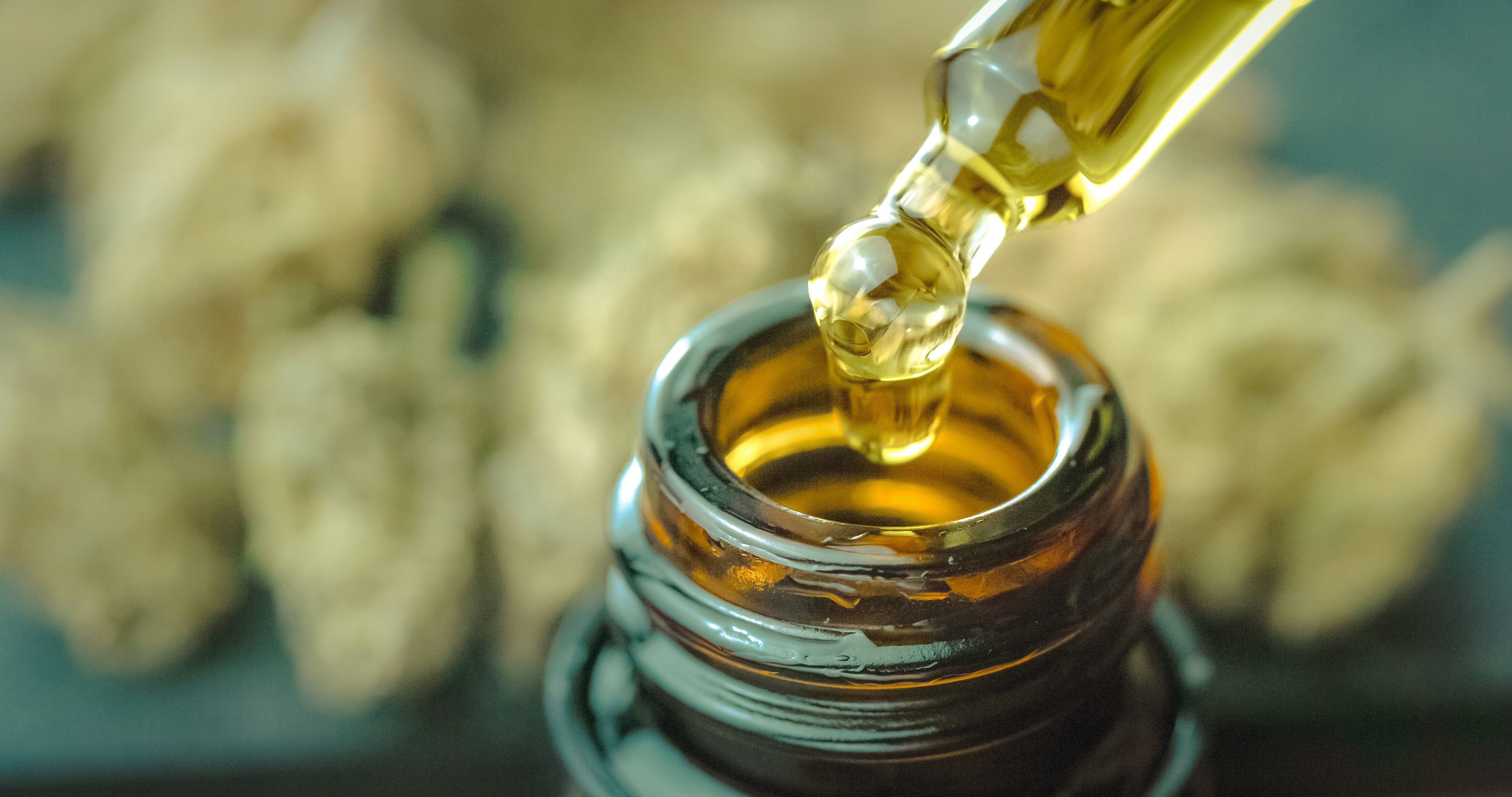
Step-by-Step Guide on How to Make THC Oil
Creating THC oil at home can be both rewarding and straightforward. Follow these steps for a simple olive oil extraction:
- Gather Ingredients and Tools: You’ll need dried cannabis flower, olive oil, and a double boiler or slow cooker.
- Decarboxylation: Preheat your oven to 240°F (115°C). Spread cannabis on a baking sheet and heat for 30-40 minutes to activate the THC.
- Infusion: Combine the decarboxylated cannabis and olive oil in a double boiler. Heat gently for 2-3 hours, stirring occasionally. Maintain a low temperature to avoid burning the oil.
- Strain the Oil: Once cooled, strain the oil through cheesecloth or a fine mesh strainer, squeezing out the cannabis material. Store your THC oil in a dark glass bottle away from light.
Safety Precautions When Making THC Oil
Understanding Dosage and Potency
When creating THC oil, understanding dosage is crucial to ensure a safe and enjoyable experience. The potency varies based on the strain and amount of cannabis used. New users should start with a small dose to gauge their tolerance. It’s advisable to use a dosage calculator or consult resources to understand how to measure THC content accurately.
Safeguards During the Extraction Process
Extraction can produce highly concentrated substances, which necessitate safety measures. When using solvent-based extraction methods, ensure proper ventilation to avoid inhaling harmful fumes. Use heat-resistant containers and avoid open flames, as solvents can be flammable. Always wear gloves and goggles to protect yourself from spills or splashes.
Legal Considerations
The legality of THC oil varies significantly by region. Before proceeding with making THC oil, familiarize yourself with local laws regarding cannabis use and possession. In places where cannabis is legal, guidelines around personal use may still apply. Staying informed ensures safety and compliance with regulations.
Using THC Oil in Everyday Life
Creative Ways to Incorporate THC Oil
THC oil can be seamlessly incorporated into your daily routine. One popular method is adding it to food and beverages, such as salad dressings, teas, or baked goods. Alternatively, it can be used in topical applications or vaporizers for those preferring inhalation methods. It’s a versatile medium, offering consumers avenues to experience THC according to their preferences.
Potential Health Benefits of THC Oil
Beyond recreational enjoyment, THC oil is being explored for its potential health benefits. Research has indicated that THC oil may provide relief from chronic pain, alleviate symptoms of anxiety, and enhance appetite in those with eating disorders or cancer treatments. Furthermore, patients report improvements in sleep quality when using THC oil. However, more studies are essential for full validation of these effects.
Mixing THC and CBD Oils
Combining THC and CBD oils can create a synergistic effect known as the entourage effect, enhancing therapeutic benefits while minimizing psychoactive effects. This mix can lead to a more balanced experience, particularly for users seeking pain relief without intense psychoactivity. Experimenting with ratios can help individuals find their optimal blend for effective symptom management.
Frequently Asked Questions About THC Oil
What is the best way to store THC oil?
Store THC oil in a dark, cool place in an airtight container. A dark glass bottle works well to protect the oil from light degradation.
Can THC oil be used in cooking?
Yes, THC oil can be used in cooking. It can be added to recipes that require oil or fat, enhancing flavor and potency.
What is the shelf life of THC oil?
The shelf life of THC oil is typically around 6 months to a year if stored properly. Always check for changes in smell or color before use.
Is THC oil safe for beginners?
THC oil can be safe for beginners if used cautiously. Starting with a small dose and gradually increasing helps assess tolerance.
How can I improve the potency of my THC oil?
To enhance potency, choose high-THC cannabis strains and use concentrated extraction methods like CO2 extraction for higher yields.
About the Author