Understanding CBD and Its Origins
What is CBD and How Does It Work?
Cannabidiol, commonly known as CBD, is a naturally occurring compound found in the cannabis plant. It is one of over a hundred cannabinoids identified in cannabis and is known for its therapeutic properties. Unlike tetrahydrocannabinol (THC), the psychoactive component of cannabis, CBD does not produce a "high." Instead, it interacts with the body’s endocannabinoid system (ECS), which plays a crucial role in regulating a variety of physiological processes such as mood, appetite, sleep, and immune responses.
The ECS comprises a network of receptors known as cannabinoid receptors (CB1 and CB2), endogenous cannabinoids, and enzymes. When CBD is ingested, it binds to these receptors, promoting homeostasis and contributing to the regulation of several bodily functions. Research suggests CBD may provide a range of health benefits, acting as an anti-inflammatory, analgesic, and anxiolytic agent, among others. To learn more about CBD, you can explore additional resources on its scientific background. For comprehensive insights, consider visiting CBD.
The Difference Between CBD and THC
Understanding the crucial distinctions between CBD and THC is imperative for anyone exploring cannabis-derived products. THC is the primary psychoactive compound in cannabis, responsible for the euphoric effects associated with marijuana use. In contrast, CBD is non-psychoactive, meaning it does not induce a high. This difference makes CBD more appealing for those seeking therapeutic benefits without the mind-altering effects of THC.
Both compounds interact with the ECS, but in different ways. THC binds directly to CB1 receptors, which are primarily located in the brain and central nervous system, leading to alterations in perception and mood. CBD, however, does not fit neatly into these receptors; instead, it acts as a modulator. It can even counteract some of the psychoactive effects of THC, potentially reducing anxiety and paranoia often associated with high-THC strains. This therapeutic potential of CBD has sparked interest in its applications in managing various health conditions.
Sources of CBD: Hemp vs. Marijuana
CBD can be derived from two primary sources: hemp and marijuana. Hemp and marijuana come from the same plant species, Cannabis sativa, but they are cultivated for different purposes and have distinct legal classifications. Hemp is defined as cannabis containing less than 0.3% THC by dry weight, while marijuana contains higher levels of THC.
Due to its low THC content, hemp-derived CBD products are more widely accepted and legally available across various regions. Hemp is also easier to grow, requiring less care and resources. It can be used to produce a broad spectrum of CBD products, including oils, tinctures, edibles, and topicals.
On the other hand, marijuana-derived CBD products can contain significantly higher amounts of THC, which can provide different therapeutic effects but may also lead to psychoactive experiences. Understanding these distinctions is critical for consumers who wish to select appropriate CBD products for their needs.
Health Benefits of CBD
Relief from Anxiety and Depression
One of the most touted benefits of CBD is its potential to alleviate symptoms of anxiety and depression. Numerous studies suggest that CBD interacts with serotonin receptors in the brain, which is believed to have a significant effect on mood and emotional regulation. For instance, a review published in the journal Neurotherapeutics highlighted that CBD might provide relief from social anxiety, generalized anxiety, and even post-traumatic stress disorder (PTSD).
This anxiety-reducing effect is attributed to CBD’s ability to enhance the brain’s serotonin signaling, offering a natural alternative to pharmaceutical antidepressants with fewer side effects. Users often report feeling calmer and more focused, making CBD a promising option for those struggling with anxiety disorders.
CBD for Pain Management
Cannabidiol has gained recognition for its potential to manage pain from various conditions, ranging from chronic pain and arthritis to multiple sclerosis. Research indicates that CBD may exert anti-inflammatory effects by inhibiting certain inflammatory cytokines, which are proteins that contribute to inflammation and pain sensation.
A clinical study demonstrated that patients with chronic pain reported significant improvements in pain relief when using CBD oil, providing credible evidence of its effectiveness. Additionally, CBD can be used in conjunction with traditional pain medications, potentially allowing for lower dosages and reduced dependency on opioids.
For individuals seeking a natural approach to pain management, CBD could serve as a beneficial alternative, sparking interest in its application in clinical settings.
Potential Benefits for Sleep Disorders
Sleep is crucial for overall health, and many individuals struggle with various sleep disorders, including insomnia and sleep apnea. Preliminary research suggests that CBD may improve sleep quality and duration by addressing some of the root causes of sleep disturbances, such as anxiety and chronic pain.
A study published in the journal Sleep found that CBD could help reduce sleep disturbances and increase overall sleep duration. By promoting relaxation and reducing anxiety, users may find it easier to fall asleep and stay asleep throughout the night. This has led many to explore various CBD-based sleep aids as a non-habit forming method to improve sleep quality.
How to Use CBD Effectively
Different Forms of CBD Products
CBD products come in various forms, each with unique benefits and methods of consumption. Understanding these options is essential for choosing the right product to meet individual needs.
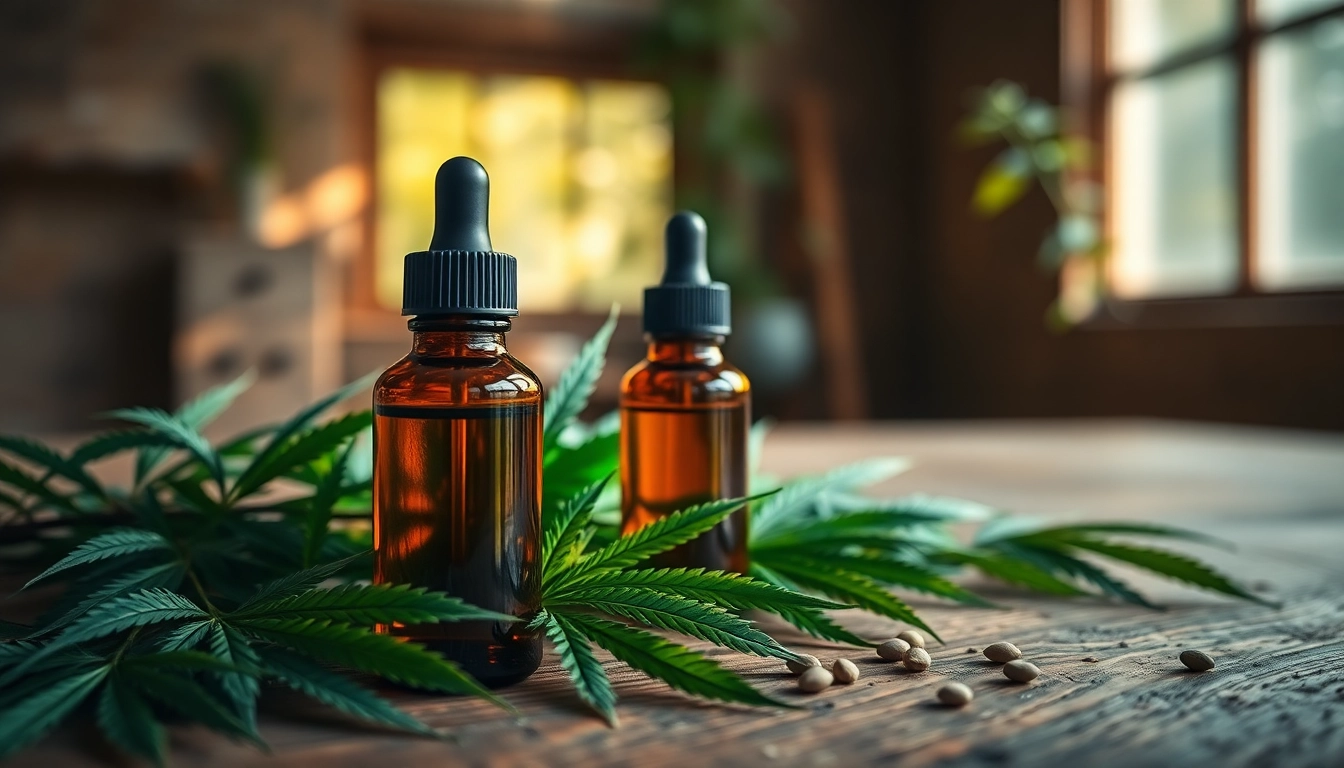
- Oils and Tinctures: These are extracted from hemp and come in dropper bottles. They can be taken sublingually for quick absorption or added to food and beverages.
- Edibles: CBD-infused gummies, chocolates, and beverages provide a tasty alternative for those who prefer not to use oils. However, they may take longer to take effect as they must be processed by the digestive system.
- Topicals: Creams and balms infused with CBD are applied directly to the skin, targeting localized pain or inflammation without systemic effects.
- Capsules: These offer a convenient way to consume a pre-measured dose of CBD, making it easy to include in daily routines.
- Vapes: Vaporizing CBD allows for rapid absorption into the bloodstream and is popular among users seeking immediate effects.
By understanding these formats, users can select products that best suit their lifestyle and preferences.
Recommended Dosage Guidelines
Determining the right dosage of CBD can be challenging due to several factors, including individual body weight, metabolism, and the condition being treated. It is generally recommended to start with a low dose, such as 5-10 mg per day, and gradually increase as needed while monitoring effects.
Many experts recommend the "start low, go slow" approach, where users begin with a modest amount and adjust their dosage based on their response. Consulting with a healthcare provider familiar with CBD can also help create a personalized dosage plan, particularly for individuals who will be using it for specific medical conditions.
Choosing Quality CBD Products
The CBD market is rapidly expanding, but not all products are created equal. When selecting CBD products, consider the following criteria to ensure quality and safety:
- Source: Choose products derived from organically grown hemp to avoid harmful chemicals and pesticides.
- Third-party testing: Reputable brands provide lab results verifying the potency and purity of their products.
- Ingredient transparency: Check for a complete list of ingredients and avoid products with unverified additives or preservatives.
- Customer reviews: Research user experiences to gauge product effectiveness and credibility.
By being proactive in selecting high-quality products, consumers can maximize the potential benefits of CBD while minimizing risks.
Safety and Side Effects of CBD
Potential Side Effects to Be Aware Of
While CBD is generally considered safe for most people, it is not without potential side effects. Some common side effects reported include:
- Dry mouth
- Fatigue
- Drowsiness
- Dizziness
- Changes in appetite or weight
These effects often vary based on dosage and individual sensitivity. It is important to closely monitor how your body reacts, especially when starting, and to consult a healthcare professional as needed.
Interactions with Other Medications
CBD can interact with certain medications, particularly those that come with a "grapefruit warning." This caution arises because both grapefruit and CBD can inhibit the CYP450 enzyme system, affecting drug metabolism. This could lead to increased levels of other medications in your bloodstream, potentially causing adverse effects.
Common medications that may interact with CBD include blood thinners, certain antidepressants, and drugs for epilepsy. Anyone taking medication should consult a healthcare provider before adding CBD to their regimen to avoid possible interactions.
Who Should Avoid CBD?
Certain individuals should exercise caution or avoid CBD altogether. This includes:
- Pregnant or breastfeeding women: Limited research exists on the safety of CBD during pregnancy or lactation.
- Individuals with liver disease: CBD is metabolized in the liver, and those with liver dysfunction should consult a healthcare provider regarding appropriate use.
- People with known allergies to cannabis or its components should avoid CBD products.
As noted earlier, consulting with healthcare providers can help navigate personal health considerations.
The Legal Landscape Surrounding CBD
Overview of CBD Legislation in the U.S.
The legal status of CBD in the United States has changed markedly over the last decade. The 2018 Farm Bill legalized the cultivation and sale of hemp-derived CBD products at the federal level, provided they contain less than 0.3% THC. This legislation has led to a surge in availability and the popularity of CBD products across various marketplaces.
Despite federal legalization, several states have enacted their regulations regarding CBD. This means that while CBD is legal in many areas, specific local laws may impose restrictions on its sale, distribution, and use. Understanding the legal framework in your respective state is crucial for anyone considering CBD.
Understanding CBD Lab Testing and Regulations
With the influx of CBD products on the market, the need for regulation and quality assurance is paramount. Third-party lab testing plays a vital role in ensuring product safety and potency. Reputable brands send their products for testing by independent laboratories to verify cannabinoid content and check for contaminants such as pesticides, heavy metals, and solvents.
Consumers should look for products that provide Certificates of Analysis (COAs) from these tests, giving them transparency about what they are consuming. As regulations evolve, it is essential to stay informed about the standards and practices governing CBD to make educated choices.
Future Trends in the CBD Market
The future of the CBD market looks promising, driven by increasing consumer awareness and demand for natural alternatives to conventional treatments. Emerging trends include the development of new delivery methods, such as beverages and nanotechnology-infused products, which promise enhanced bioavailability and effects. Additionally, ongoing research studies are exploring various therapeutic applications, further legitimizing CBD in the medical community.
As the market continues to expand, newer regulations and quality standards are expected to be introduced, establishing clearer guidelines for consumers and manufacturers alike. Staying abreast of these changes will be crucial for anyone involved or interested in the CBD landscape.