
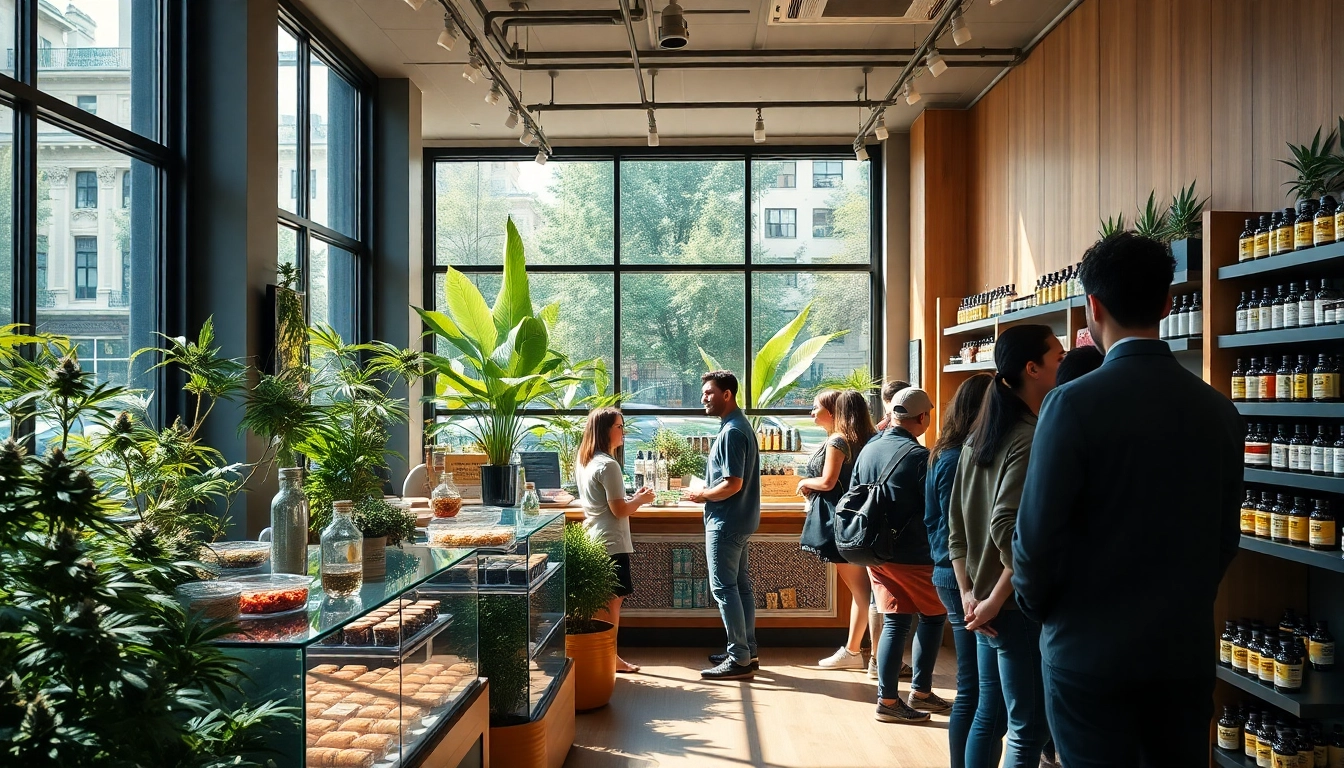
Understanding the Landscape of the Weed Store Market
The cannabis industry has seen unprecedented growth over the past few years, with the legalization of recreational and medical marijuana across various states creating a vibrant market for weed stores. Customers are no longer confined to the traditional notions of what a cannabis shopping experience should look like. Today, cannabis enthusiasts are visiting Weed Store that offer more than just products; they seek an engaging environment and a knowledgeable staff. This article will explore the multifaceted dimensions of the weed store market, from understanding customer expectations to creating an inviting shopping atmosphere.
1. Market Trends: What Shoppers are Looking For
As the legalities surrounding cannabis evolve, so do shopper preferences. Key trends influencing the market currently include:
- Quality Over Quantity: Customers today prioritize high-quality products. They are increasingly discerning about the cannabis strains they choose, preferring organic or sustainably cultivated options.
- Health and Wellness Focus: Many shoppers are looking for products that contribute to their well-being. This includes not only traditional consumption methods but also edibles, tinctures, and wellness-oriented items like CBD-infused beverages.
- Personalized Shopping Experiences: Consumers appreciate a tailored experience. Weed stores that offer personalized recommendations based on customer preferences are likely to foster loyalty.
- Education and Guidance: Customers are seeking more information about the products they buy. Stores that facilitate educational workshops or provide in-depth product knowledge can enhance customer satisfaction.
2. Demographic Insights: Who is Your Customer?
Understanding the demographics of your customer base is vital for crafting effective marketing strategies. The key demographic segments include:
- Young Adults: The majority of cannabis consumers fall within the 21-34 age range, often seeking recreational use.
- Health-Conscious Individuals: An increasing number of older adults are turning to cannabis for health benefits, such as pain relief and stress reduction. This demographic often seeks guidance in their choices.
- Cultural Shifts: Minorities and women are entering the cannabis market at growing rates, altering spending patterns and preferences in product offerings.
3. Competitive Analysis: Learning from the Best in the Industry
To thrive in a competitive landscape, weed store owners should conduct thorough analyses of their competitors. Key factors to consider include:
- Product Range: Evaluate the variety of products offered by competitors. Identify gaps in the market that your store can fill.
- Customer Interactions: Observe how rival stores engage with customers and identify best practices for enhancing your own customer service.
- Marketing Strategies: Analyze competitors' advertising efforts, including social media engagement, promotional offers, and community outreach initiatives.
Creating a Welcoming Environment in Your Weed Store
The physical shopping environment plays a crucial role in customer satisfaction. A welcoming atmosphere leaves a lasting impression and can influence repeat visits.
1. Layout and Design: Maximizing Space Efficiency
Effective store layout can enhance the shopping experience by making it easier for customers to navigate the store. Here are some best practices:
- Open Spaces: Create an open layout that allows for easy movement. Use signage to guide customers toward different product categories.
- Product Placement: Utilize eye-level displays for popular items while placing complementary products nearby to encourage cross-selling.
- Consultation Areas: Designate private areas where customers can consult staff about product choices, fostering deeper engagement.
2. Aesthetic Choices: Colors and Decor that Resonate
The visual elements of your weed store are vital for creating a mood that resonates with your customers. Consider the following:
- Color Psychology: Use colors that evoke feelings of calmness and relaxation, such as greens and earthy tones.
- Local Art Display: Incorporate artwork from local artists to not only beautify the space but also create a sense of community.
- Natural Elements: Adding elements like plants or water features can enhance the ambiance, promoting relaxation and comfort.
3. Safety and Compliance: Ensuring a Secure Shopping Experience
Establishing a safe environment is non-negotiable. Implement the following measures:
- Adhering to Regulations: Ensure that your store complies with all state and local regulations to avoid legal complications.
- Staff Training: Regularly train staff on compliance matters and customer service strategies, allowing them to address concerns effectively.
- Security Measures: Implement adequate security protocols, including surveillance and staff training in safety best practices.
Building a Diverse Product Range at Your Weed Store
A diverse product range not only attracts different customer demographics but also keeps your offerings fresh and exciting.
1. Categories of Cannabis Products: Understanding Offerings
Understanding the categories of cannabis products is crucial to tailoring your inventory:
- Flower: The most traditional and sought-after option; ensure you provide various strains catering to multiple preferences.
- Edibles: Consider the rising interest in cannabis-infused food and drinks. Stock a range of popular options, from gummies to gourmet chocolates.
- Concentrates and Oils: Supplies such as wax, shatter, and oils are becoming increasingly popular among experienced users. Make sure you offer a variety of concentrations and flavors.
- Vapes: Portable and discreet, vape products are a staple for many consumers. Ensure you have diverse brands and flavors available.
- Accessories: Items like grinders, rolling papers, and storage containers can encourage additional sales while catering to everyday needs.
2. Sourcing Quality: Finding Reliable Suppliers
Developing relationships with reputable suppliers is key to maintaining product quality. Consider these strategies:
- Research and Vetting: Thoroughly research potential suppliers. Look for those who prioritize quality control, and gather reviews from other dispensaries or retailers.
- Trial Orders: Start small with trial orders to assess the quality before committing to larger purchases.
- Establish Relationships: Build partnerships with suppliers; a solid relationship can lead to better pricing, exclusive products, and reliable delivery schedules.
3. Seasonal Trends: Adapting Inventory to Seasonal Demands
Understanding seasonal trends is crucial for optimizing inventory. Strategies include:
- Holidays and Events: Stock themed products for holidays or local events, such as custom edibles for Halloween or cannabis-infused beverages for summer festivals.
- Seasonal Strains: Introduce limited-time offers of strains that are popular during specific seasons, encouraging urgency among customers.
- Trend Analysis: Utilize sales data to assess which products perform best at different times of the year, adjusting your inventory accordingly.
Engaging Customers Through Exceptional Service
Exceptional customer service can be the deciding factor in customer retention and brand loyalty. Engaging customers through stellar service involves several strategic approaches.
1. Staff Training: Empowering Your Team
Your staff is the face of your weed store. Crucial elements of effective training include:
- Product Knowledge: Ensure that your team is knowledgeable about all products and can provide accurate information, optimizing customer confidence in their purchases.
- Customer Service Skills: Train staff in effective communication and active listening to address customer needs quickly and respectfully.
- Onboarding Programs: Develop a comprehensive onboarding process that provides new employees with all necessary training and continued development opportunities.
2. Customer Interactions: Establishing Trust and Loyalty
Building customer relationships hinges on interaction strategies that promote trust:
- Personalized Service: Encourage staff to personalize interactions, remembering regular customers by name and preferences whenever possible.
- Feedback Mechanisms: Enable feedback channels that allow customers to voice their opinions or concerns, ensuring they feel heard and valued.
- Loyalty Programs: Implementing a rewards system can incentivize repeat visits and foster longer-lasting customer relationships.
3. Digital Engagement: Leveraging Online Platforms for Service
Incorporating digital platforms into your business model enhances customer engagement:
- Website Optimization: Ensure your website is user-friendly and provides essential information about products and services. Promoting an online ordering option can attract tech-savvy customers.
- Social Media Presence: Engage with customers through social media by sharing content, updates, and promotions. Hosting Q&A sessions or live streams on platforms can enhance customer interaction.
- Email Marketing: Cultivate an email list to inform customers about new products, seasonal promotions, and educational resources.
Measuring Success: Performance Metrics for Your Weed Store
Measuring the success of your weed store goes beyond sales figures; a holistic view of performance includes various metrics.
1. Key Performance Indicators: What to Track
Establishing appropriate KPIs helps in understanding your store’s health:
- Sales Data: Monitor daily, weekly, and monthly sales to recognize trends and adjust inventory accordingly.
- Customer Footfall: Track customer visits to assess peak hours and develop strategies to enhance customer experience during busy periods.
- Customer Retention Rates: Evaluate how many repeat customers you have and work towards improving this number by implementing feedback and loyalty programs.
2. Customer Feedback: Gathering and Utilizing Insights
Collecting and acting upon customer feedback offers invaluable insights into areas for improvement:
- Surveys and Polls: Use simple surveys post-purchase to gauge customer satisfaction and areas needing attention.
- Online Reviews: Monitor platforms where customers may leave reviews, and use this information to address concerns and improve service.
- Engagement Strategies: Encourage customers to leave feedback and provide visibility to their voices by featuring positive comments on your website or social media.
3. Marketing Strategies: Driving Traffic to Your Store
Effective marketing strategies drive customer awareness and increase foot traffic:
- Influencer Collaborations: Partner with local influencers or social media personalities to promote your store organically within their follower base.
- Community Events: Host events that engage the community, such as educational workshops, product-tasting sessions, or partnerships with local wellness initiatives.
- Promotional Offers: Run seasonal promotions or limited-time discounts that can entice new customers while rewarding old ones.