The Benefits of the Best Window Tint Chattanooga TN
Window tinting is more than just an aesthetic upgrade for your vehicle; it's a powerful investment that can significantly enhance your driving experience. If you're looking for the best window tint Chattanooga TN, it's crucial to understand the profound benefits window tinting offers. In this section, we delve into the practical advantages that come with quality window tint, focusing on heat reduction, interior protection, and enhanced privacy.
Understanding Heat Reduction
Excessive heat in your vehicle can make driving uncomfortable and can even pose health risks. The best window tint can dramatically reduce the amount of heat entering your car. By blocking up to 99% of harmful UV rays, quality window films help maintain a cooler interior temperature. This not only enhances comfort during warm Chattanooga summers but also reduces the need for air conditioning, thereby saving fuel and improving overall vehicle efficiency.
Protecting Your Interior
UV rays can cause severe damage to your vehicle's interior over time, leading to fading and cracking of upholstery and dashboards. High-quality window tint provides excellent protection against these harmful rays. By investing in window tinting, you're also safeguarding your vehicle’s resale value; a well-maintained interior is a significant selling point when you decide to trade or sell your vehicle.
Enhancing Privacy
In addition to providing comfort and protection, window tinting significantly enhances your vehicle's privacy. Tinted windows obstruct views from the outside, making it difficult for onlookers to see inside. This added layer of privacy also protects your belongings from theft, as potential thieves are less likely to attempt a break-in if they cannot see any valuables left inside your car.
Different Types of Window Tint
When considering the best window tint Chattanooga TN, it’s essential to explore the various types available. Each type has its unique properties, benefits, and drawbacks, making it crucial for consumers to choose wisely. Here, we’ll discuss three common types of window films: dyed window films, metalized window films, and ceramic window films.
Dyed Window Film Options
Dyed window films are one of the most basic types of window tint available. They are created by adding dye to a layer of polyester. This type of tint absorbs solar energy and offers some heat reduction and glare reduction benefits without reflecting light. Though dyed films may not be as effective in heat rejection as other types, they offer an appealing aesthetic and are typically less expensive. However, they may fade over time and are not as durable as metalized or ceramic films.
Metalized Window Films
Metalized window films are made using a layer of metal particles, which provide greater durability and reflectivity. This type of tint not only reduces heat but also strengthens your windows against shattering, making them a popular choice for added safety. Metalized films can offer a more consistent appearance than their dyed counterparts, but they can interfere with electronic signals, which may be a concern for users of GPS or cell phones.
Ceramic Window Films
Ceramic window films are among the most advanced options available. They are made using non-metalized, ceramic materials that offer superior heat rejection and UV protection without the reflective properties of metalized films. One of the key advantages of ceramic films is that they do not interfere with electronic devices. Additionally, they are highly durable and resistant to fading, making them a long-term solution for vehicle window tinting.
Choosing the Right Window Tint
Finding the ideal window tint involves assessing various factors that can influence your decision. Understanding these factors ensures that you select a window film that meets your needs while complying with local regulations. In the following sections, we will discuss important criteria to consider, state regulations, and the significance of manufacturer quality.
Factors to Consider
Before committing to a specific type of window tint, consider factors such as desired heat reduction, privacy levels, aesthetic preferences, and budget. Each driver’s needs are unique, so take time to evaluate how often you use your car, typical driving conditions, and the look you want to achieve. If your primary concern is heat reduction, ceramic films may be the best choice. If you are looking for a cost-effective option with decent privacy, dyed films could suffice.
State Regulations and Compliance
Before installing window tint, it's crucial to understand local laws regarding tint darkness and reflectivity. In Tennessee, there are specific regulations that govern how dark your window tint can be and where it can be applied (i.e., front vs. rear windows). Familiarize yourself with these rules to avoid fines or the need to remove non-compliant tint. Always check the latest regulations in Chattanooga when considering your options.
Manufacturer Quality
Ensuring that you choose a reputable manufacturer is key to enjoying the full benefits of your window tint. High-quality window films come with warranties, indicating they have undergone rigorous testing for durability and performance. Investing in a trusted brand will not only provide a better product but will also offer peace of mind along with aftercare if any issues arise during the lifespan of the tint.
Installation Process of the Best Window Tint Chattanooga TN
Proper installation is crucial to maximizing the lifespan and effectiveness of your window tint. Below, we explore how to prepare your vehicle, the application steps, and essential post-installation care to maintain your tint.
Preparation of the Vehicle
Before installation, ensure that your vehicle is clean and free from any debris. A professional installer will often start to prepare the windows by thoroughly cleaning them on both the inside and outside, removing any dirt, dust, or grease. This step is critical because any residue left on the glass can lead to bubbles and an overall unappealing finish after installation.
Application Steps
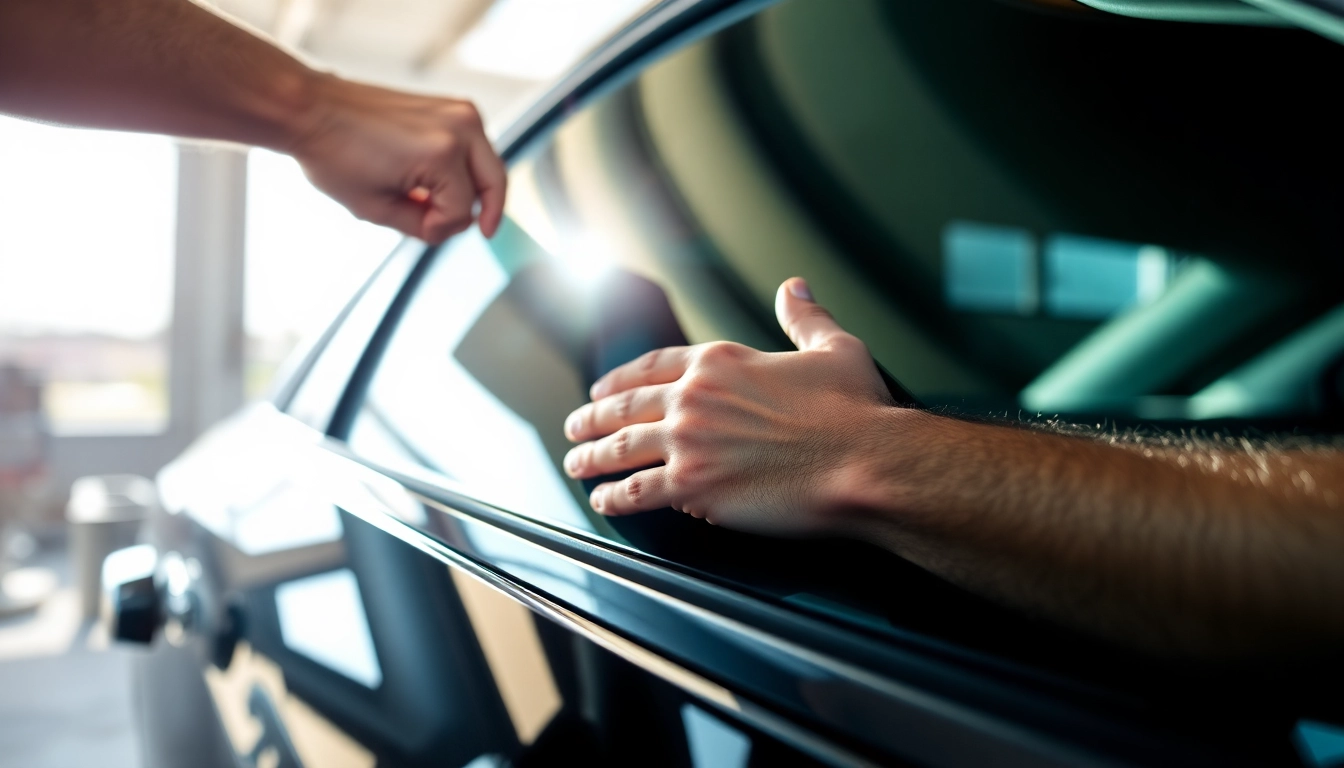
The actual application of window tint typically involves several key steps. First, the film is carefully measured and cut to the precise dimensions of each window. Next, the installer will position the film against the glass, ensuring it fits perfectly. Once properly aligned, a solution is often applied to help smooth the film onto the glass using a squeegee to eliminate bubbles and wrinkles. The film will then be trimmed for a snug fit, and the edges will be sealed to prevent peeling.
Post-Installation Care
After your new window tint has been applied, it's essential to follow specific care instructions to maintain its quality. Initially, you may be advised to avoid rolling down your windows for a few days to allow the tint to cure properly. Additionally, use only a soft cloth and ammonia-free cleaning products to avoid damaging the film. Regular cleaning will help maintain clarity and prevent fading over time.
Frequently Asked Questions about Window Tinting
How long does window tint last?
Quality window tint can last anywhere from 5 to 15 years, depending on the type of film used and proper maintenance. Higher-quality films typically last longer and resist fading better.
Can I remove window tint myself?
While it's possible to remove window tint yourself, it can be challenging and time-consuming. It's often best to consult a professional, as they have the tools and expertise to remove it safely without damaging the glass.
What level of tint is legal in Chattanooga TN?
In Tennessee, the front windshield must allow at least 70% of light in. For the front side windows, the same rule applies, while the back side windows and rear window can have any darkness level.
Does window tint fade over time?
Yes, window tint can fade due to prolonged exposure to sunlight and other elements. Choosing high-quality films can reduce the likelihood of fading significantly.
Can window tint improve my car's fuel efficiency?
While window tint alone won't drastically increase fuel efficiency, it can help reduce the heat inside the vehicle, leading to lower air conditioning usage and potentially better fuel savings over time.