
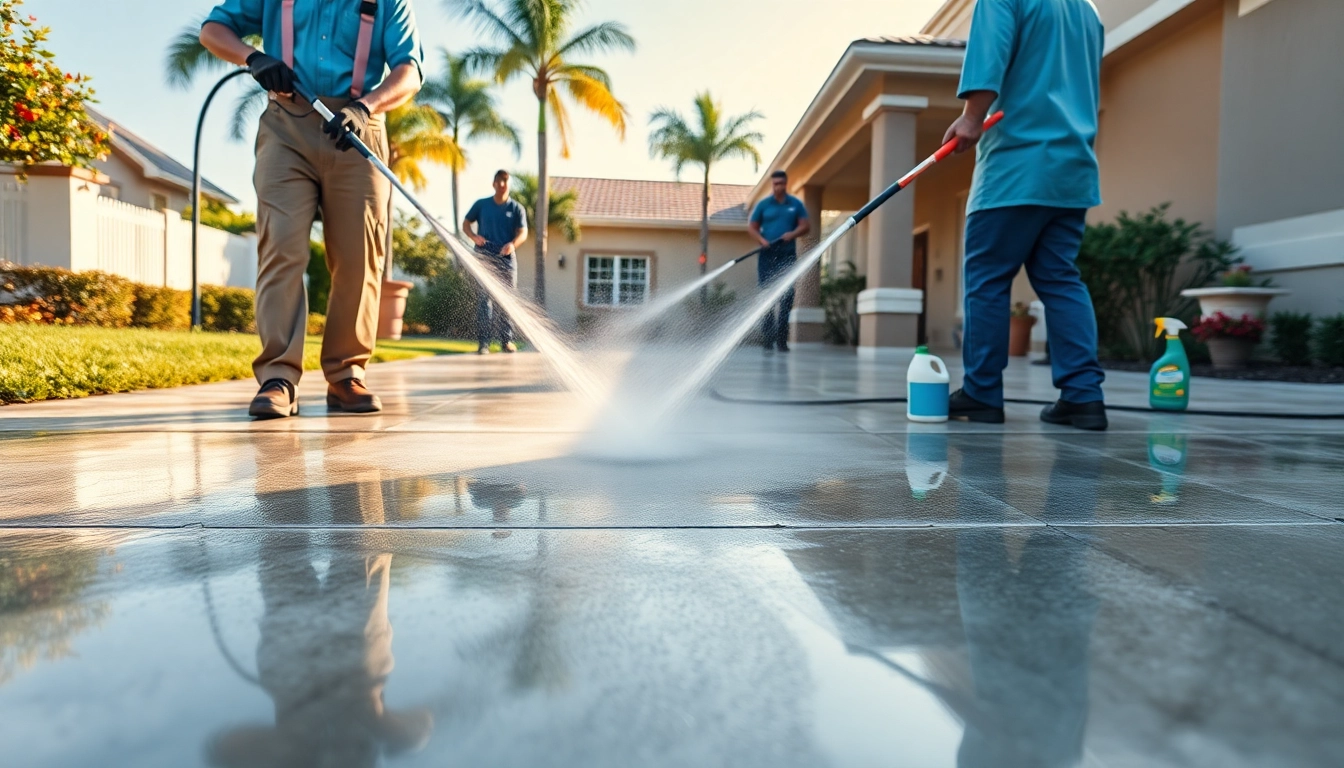
Understanding Concrete Cleaning Basics
Concrete surfaces may be durable, but they are not impervious to the effects of time, weather, and environmental pollutants. Over time, dirt, grime, oil stains, and organic growth can accumulate, detracting from the aesthetic appeal and functionality of these surfaces. Utilizing professional concrete cleaning services is essential for maintaining their integrity and appearance. This article will explore the fundamentals of concrete cleaning, the best practices for maintaining your concrete surfaces, and the common misconceptions surrounding this essential service.
What is Concrete Cleaning?
Concrete cleaning refers to the process of removing dirt, stains, and contaminants from concrete surfaces using various cleaning methods and solutions. This can include pressure washing, chemical cleaning, or a combination of both techniques. Understanding how to clean concrete effectively is crucial for homeowners and business owners alike, as it can significantly improve the longevity and aesthetics of their properties.
Common Types of Concrete Stains
Concrete is susceptible to several types of stains, each requiring a different approach for removal. Some of the most common types include:
- Oil and Grease: Commonly found in driveways and parking lots, these stains can be particularly challenging to remove.
- Mildew and Algae: These organic growths thrive in damp conditions and can make concrete surfaces slippery and unattractive.
- Rust: Typically caused by metal objects left on concrete, rust stains can be particularly stubborn.
- Food and Beverage Spills: These can leave unsightly discolorations on patios and sidewalks.
Benefits of Professional Concrete Cleaning Services
Hiring a professional for concrete cleaning offers several advantages:
- Expertise: Professionals understand the best techniques and solutions for different types of stains.
- Safety: Using high-pressure water jets or harsh chemicals can be hazardous if not handled properly; professionals are trained to work safely.
- Efficiency: Professionals can complete the work quickly and effectively, saving you time and effort.
- Long-Lasting Results: A thorough cleaning can enhance the lifespan of your concrete surfaces.
Best Practices for Concrete Cleaning
To achieve the best results when cleaning concrete, several best practices should be followed:
Choosing the Right Cleaning Solutions
Different stains require specific cleaning solutions. For instance, oil stains may benefit from degreasers, while organic growth can be tackled with environmentally friendly solutions containing bleach or vinegar. It’s essential to choose products that are safe for both the concrete and the surrounding environment.
Preparing Your Concrete Surface for Cleaning
Before beginning the cleaning process, it’s crucial to prepare the area. This includes:
- Removing any furniture, plants, or obstacles from the concrete surface.
- Identifying the type of stains present to tailor the cleaning approach effectively.
- Wet the surface with water to help loosen dirt and debris before applying cleaning solutions.
Steps for Effective Pressure Washing
Pressure washing is often the most efficient method for cleaning concrete. Here are the key steps:
- Set Up Your Equipment: Ensure your pressure washer is ready and equipped with a nozzle suitable for concrete cleaning.
- Apply Cleaning Solution: Spray the concrete with the chosen cleaning solution and let it sit for several minutes to penetrate stains.
- Rinse Off: Use the pressure washer to rinse the area thoroughly, ensuring all cleaning agents and dirt are washed away.
- Inspect and Repeat: After rinsing, inspect the surface. If stains persist, repeat the steps as necessary.
Common Misconceptions about Concrete Cleaning
Despite the clear benefits of concrete cleaning, several misconceptions can prevent property owners from maintaining their concrete surfaces properly.
Is Pressure Washing Safe for All Types of Concrete?
Many people worry that pressure washing can damage their concrete. While it can be effective for most surfaces, using the wrong nozzle or pressure setting can indeed lead to damage. It's vital to consult with professionals who can assess the appropriate pressure settings based on the concrete's age and condition.
Do You Need Specialized Equipment?
While DIYers might consider renting pressure washers, the technical knowledge and experience of professionals can greatly enhance the likelihood of a successful cleaning. They are equipped with the right tools and cleaning agents, ensuring the job is done correctly.
How Often Should You Clean Your Concrete?
The frequency of concrete cleaning depends on usage and exposure to the elements. High-traffic areas may need cleaning every six months, while residential driveways could be cleaned annually. Regular maintenance prevents build-up and prolongs the life of the concrete.
DIY vs. Professional Concrete Cleaning
Choosing between DIY methods and hiring professionals can be challenging. Here’s a breakdown of when to choose each option.
When to Choose DIY Cleaning Methods
If the stains are light and infrequent, a DIY approach can work. Basic cleaning can be achieved using a pressure washer and a simple cleaning solution. However, it’s crucial to be aware of the limitations and necessary precautions to prevent damage.
Advantages of Hiring Professionals for Concrete Cleaning
Professional services offer several benefits, including:
- Comprehensive Cleaning: Professionals can manage all aspects of cleaning, including tough stains and large areas.
- Long-Term Solutions: They often provide treatments that enhance the durability of concrete post-cleaning.
- Peace of Mind: Knowing that your concrete surfaces are in expert hands can relieve stress.
Cost Comparison: DIY vs. Professional Services
The cost of cleaning concrete varies widely based on size, stains, and the cleaning method chosen. While DIY methods can save money initially, they may not yield the same results as professional services, potentially leading to higher long-term costs due to damage or ineffective cleaning.
Future Trends in Concrete Cleaning
As we look towards 2025 and beyond, several trends in concrete cleaning are emerging, promising to enhance efficiency and effectiveness.
Innovations in Eco-Friendly Cleaning Chemicals
With increasing awareness of environmental sustainability, the demand for eco-friendly cleaning solutions is rising. Future products are expected to focus more on biodegradable materials, reducing harm to the environment while maintaining effectiveness.
Emerging Technologies in Pressure Washing
Advancements in technology are also shaping the future of pressure washing. Innovations like robotic pressure washers and ultrasonic cleaning devices are likely to become more accessible, offering precise and efficient cleaning.
Predictions for Concrete Maintenance in 2025 and Beyond
As urban environments continue to evolve, concrete maintenance will incorporate more smart technologies, allowing for predictive cleaning schedules and remote monitoring of concrete conditions. This proactive approach can help property owners maintain their surfaces more effectively and efficiently.