Understanding CBD Seeds
CBD seeds have become increasingly popular among cultivators and enthusiasts alike, mainly due to their therapeutic benefits and versatility. Unlike traditional cannabis seeds, CBD seeds are specifically bred for higher concentrations of cannabidiol (CBD), a non-psychoactive compound with numerous health benefits. When exploring options, CBD seeds offer a plethora of choices suitable for both home growers and commercial producers.
What are CBD seeds?
CBD seeds are the seeds of cannabis plants that have been specifically bred to produce high levels of cannabidiol. Unlike THC-dominant cannabis plants that are often sought after for recreational use, CBD strains focus on delivering the medicinal properties of cannabis without the intoxicating effects. This makes them ideal for users looking for therapeutic benefits without the high.
Key characteristics of CBD cannabis seeds
- High CBD Content: Bred to produce high levels of CBD, which is known for its anti-inflammatory, analgesic, and anti-anxiety properties.
- Low THC Levels: Most CBD strains are bred to contain low levels of THC, making them legal in many areas where cannabis with higher THC is regulated.
- Variety of Strains: Available in feminized, autoflowering, and regular types, allowing growers to choose based on their cultivation methods and preferences.
- Controlled Breeding: Breeders meticulously select parent plants to stabilize desired traits over generations, ensuring consistency in cannabinoid profiles.
Difference between CBD and THC cannabis seeds
The primary difference between CBD and THC cannabis seeds lies in the cannabinoids they produce. THC (tetrahydrocannabinol) is the compound that causes psychoactive effects, whereas CBD (cannabidiol) is non-intoxicating. Most CBD seeds are bred to have a higher CBD-to-THC ratio, fostering wellness benefits without the high. This makes CBD seeds particularly sought after for therapeutic uses, such as anxiety relief, pain management, and anti-inflammatory effects.
Types of CBD Seeds Available
Feminized vs. Regular vs. Autoflowering CBD seeds
When selecting CBD seeds, understanding the distinctions between feminized, regular, and autoflowering seeds is crucial:
- Feminized Seeds: These seeds produce only female plants, which are the ones that yield the buds rich in CBD. They eliminate the uncertainty of male plants that do not produce the desired flowers.
- Regular Seeds: These seeds can produce both male and female plants. While they are often favored by breeders looking to create new strains, they require greater knowledge and skill to manage effectively.
- Autoflowering Seeds: These seeds automatically shift from the vegetative stage to flowering based on age rather than light cycles. This makes them ideal for novice growers or those looking to cultivate multiple harvests within a season.
Choosing the right strain for your needs
Selecting the appropriate strain involves considering your goals and cultivation conditions. High-CBD strains are excellent for those seeking specific therapeutic effects, while balanced CBD/THC strains might appeal to users wanting mild psychoactive effects. Strains such as Critical Lemon and Cosmos F1, for example, are renowned for their beneficial profiles and ease of growth.
Examining CBD-forward genetics and their benefits
CBD-forward genetics focus on maximizing CBD potential while keeping THC levels minimal. These strains are cultivated for various therapeutic applications and can cater to both personal and commercial growers. Some benefits of opting for CBD-focused genetics include:
- Enhanced therapeutic properties without the high.
- Greater accessibility in regions with stringent THC laws.
- Versatile growing options, including indoor and outdoor environments.
The Cultivation Process
Preparing your growing environment for CBD seeds
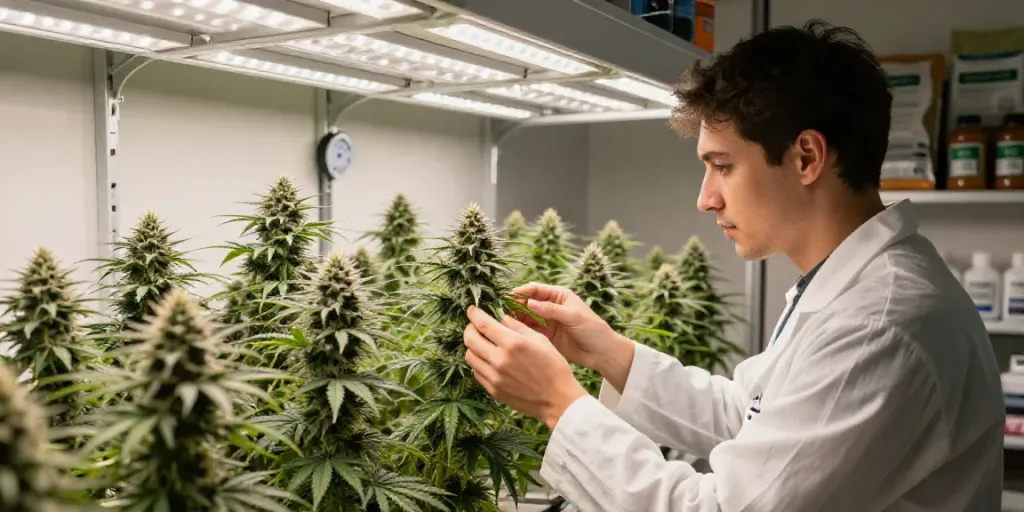
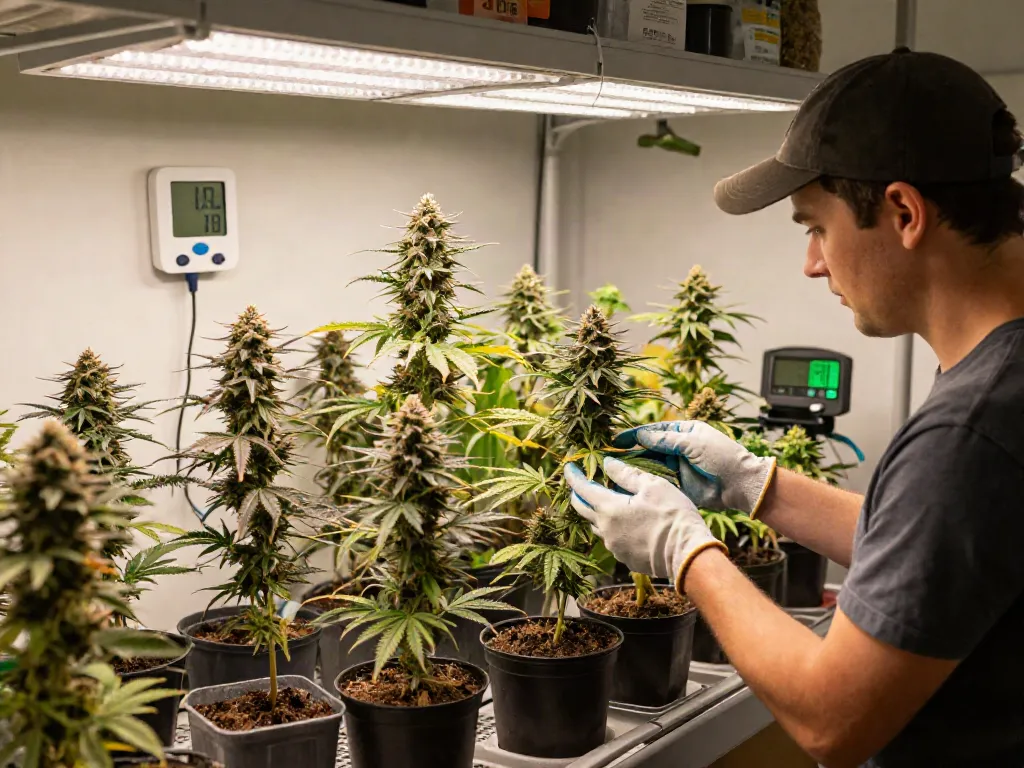
Creating an optimal growing environment for your CBD seeds begins with choosing the right location, whether indoors or outdoors. Key factors include:
- Light: Provide adequate light intensity, especially in the vegetative stage, to promote healthy growth.
- Temperature and Humidity: Maintain appropriate temperature ranges (around 70-85°F) and humidity levels to prevent mold and promote vigorous growth.
- Soil Quality: Use nutrient-rich, well-draining soil to support plant health and maximize yields.
Step-by-step guide to germinating CBD seeds
Germination is the foundational step in growing CBD plants. Follow these steps for successful germination:
- Soak seeds in water for 24 hours.
- Transfer seeds to a damp paper towel and place in a dark, warm location, checking moisture levels daily.
- Once seeds sprout, plant them in soil about half an inch deep.
- Water gently and place under light once they emerge.
Common challenges in growing CBD plants
While cultivating CBD plants can be rewarding, challenges often arise. Common issues include:
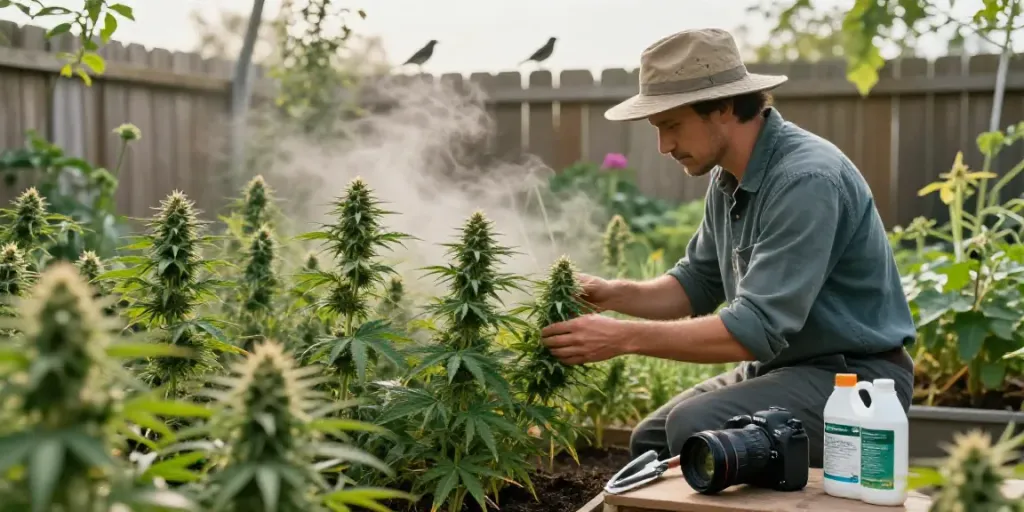
- Pests and Diseases: Keep an eye out for pests like aphids and fungus gnats that can affect plant health.
- Nutrient Deficiencies: Monitor your plants for signs of nutrient deficiencies like yellowing leaves, which may require adjustments in feeding.
- Environmental Stresses: Changes in temperature, humidity, or light can negatively affect plant growth, so consistency is crucial.
Legal Considerations for CBD Seed Cultivation
Understanding local regulations on CBD seeds
Before starting your cultivation journey, understanding the legal landscape around CBD seeds in your area is essential. Regulations can vary significantly between regions, making compliance a necessity for growers.
How to ensure compliance during cultivation
To ensure compliance, consider the following steps:
- Research Local Laws: Familiarize yourself with local regulations on CBD cultivation, including permissible THC limits.
- Obtain Necessary Licenses: Depending on your area, you may need specific licenses or permits to grow CBD plants legally.
- Document Everything: Keep detailed records of your seeds' origins, plant growth, and testing results to demonstrate compliance if needed.
Consequences of mislabeling CBD seeds
Mislabeling seeds can lead to dire consequences, including legal ramifications and potential loss of cultivation rights. Make sure to work with reputable suppliers and carry out proper testing to verify the cannabinoid content of your plants.
Future Trends in CBD Seed Cultivation
Emerging breeding techniques for better CBD profiles
The future of CBD seed cultivation is paved with innovative breeding techniques aimed at enhancing cannabinoid profiles and developing new strains with desirable traits. Techniques such as genomic selection and gene editing are on the rise, pushing the boundaries of breeding efficiency and efficacy.
The impact of genetics on CBD cultivation success
Genetic diversity remains crucial for cultivating successful CBD plants. Breeders will continue to prioritize stability and desirable traits, which should lead to more robust strains being made available to growers.
Predictions for the CBD seed market in 2026
As public awareness of CBD grows, the seed market is expected to expand significantly by 2026. More states embracing legalization will lead to higher demand for high-quality CBD strains, resulting in innovation and sustained growth in the industry.
What benefits do CBD seeds offer?
- Non-psychoactive options for therapeutic use.
- Customized strains for specific health needs.
- Variety of growing capabilities, from home gardens to commercial farms.
How to select high-quality CBD seeds?
Look for reputable breeders, ensure genetic stability, and check for third-party testing to guarantee your seeds meet quality standards.
Can CBD seeds be grown indoors and outdoors?
Yes, CBD seeds can thrive in both settings, with indoor cultivation offering controlled environments while outdoor cultivation leverages natural sunlight.
What are the ideal conditions for growing CBD seeds?
- Temperature: 70-85°F during growth.
- Humidity: Optimal humidity levels around 40-60%.
- Soil: Nutrient-rich, well-draining soil.
How do CBD seeds compare to other types of seeds?
Unlike traditional THC-dominant seeds, CBD seeds are specifically bred for their therapeutic effects, making them a preferred choice for medicinal users and those seeking wellness benefits without intoxication.