Understanding Vape & E-Liquids
What are Vape & E-Liquids?
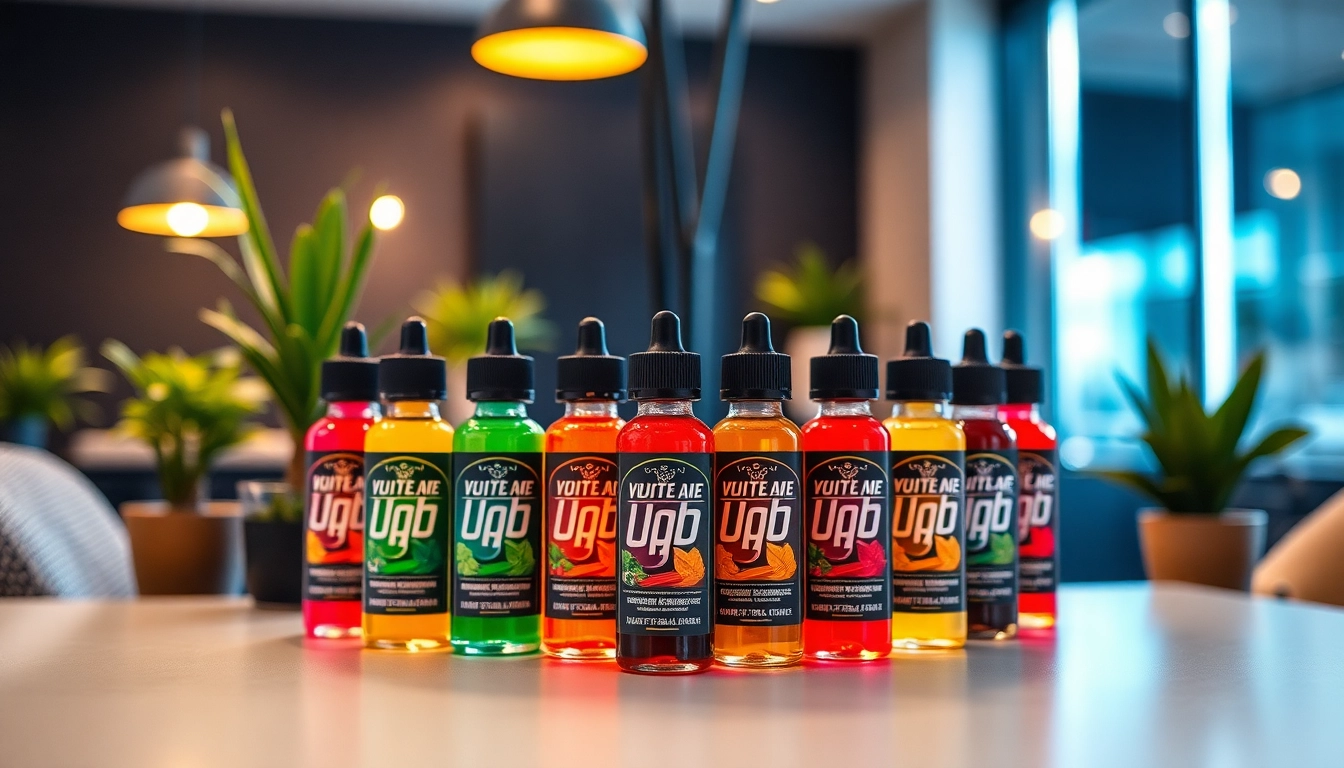
Vaping has become a popular alternative to traditional smoking, with Vape & E-Liquids emerging as essential components of the vaping experience. E-liquids, often referred to as vape juices, are liquids designed for vaping devices. They are vaporized into an inhalable aerosol when heated, providing an alternative to combustible tobacco products. The appeal of vaping largely stems from the customizable nature of e-liquids, allowing users to choose from a vast range of flavors and nicotine strengths.
Key Ingredients in E-Liquids
The primary ingredients in e-liquids include:
- Propylene Glycol (PG): A colorless, odorless liquid that is commonly used in food, pharmaceuticals, and cosmetics. In vaping, PG acts as a base and is known for its ability to produce a throat hit similar to that of traditional tobacco.
- Vegetable Glycerin (VG): A thicker, sweeter liquid derived from vegetable oils. VG is known for producing large vapor clouds but provides a softer throat hit compared to PG.
- Nicotine: An optional stimulant found naturally in tobacco plants, synthesized for e-liquids in various concentrations. Nicotine levels can often be customized to fit user preferences, from nicotine-free options to high-concentration variants.
- Flavorings: Food-grade flavorings are added to create varied taste experiences, ranging from fruity and sweet to savory and complex. These flavorings are responsible for making vaping enjoyable and appealing.
The Science Behind Vaping
Vaping involves the process of vaporization, where an electronic device heats e-liquid to its boiling point. This transforms the liquid into vapor, which is then inhaled. This process allows for the delivery of nicotine and flavor with far fewer harmful byproducts than traditional smoking, as the combustion of tobacco releases numerous toxic substances.
Understanding the mechanics behind vaporization helps users appreciate the benefits of vaping. By monitoring the temperature and device settings, users can optimize their experience to achieve the desired flavor and vapor production.
Popular E-Liquid Flavor Profiles
Categorizing Different Flavors
E-liquids come in a dizzying array of flavors, which can be categorized into several main domains:
- Fruits: Bright, sweet, and sometimes tangy, fruit flavors are a top choice for many vapers. Popular options include strawberry, watermelon, and tropical blends.
- Desserts: These flavors represent a comforting experience and include options like vanilla custard, chocolate cake, and creamy cheesecake.
- Menthol and Mint: Fresh and invigorating, these flavors provide a cool sensation and often pair well with fruit or tobacco flavors.
- Tobacco: Simulating the taste of traditional tobacco, these flavors are popular among former smokers looking for a familiar experience.
- Beverages: Inspired by drinks, users can enjoy flavors reminiscent of coffee, cola, or cocktails.
Seasonal and Trendy Flavors
Flavor trends in the vaping industry can shift with the seasons or cultural fads. For instance, spiced flavors often make a resurgence during fall and winter, while light and fruity flavors are in demand during the summer months. Marketers also capitalize on trends from social media and pop culture to create limited edition flavors, keeping the selections fresh and exciting for consumers.
How to Choose the Right Flavor
Selecting the right flavor is paramount for ensuring an enjoyable vaping experience. Here are some tips to help with the decision-making process:
- Personal Preferences: Consider what flavors you gravitate towards in candies, beverages, or foods. Flavors that you already enjoy will likely translate well into e-liquids.
- Try Sample Sizes: Many brands offer sample sizes, allowing users to experiment without committing to a large bottle.
- Mix and Match: Some devices allow users to mix flavors manually. This can lead to discovering unique combinations that suit individual palates.
- Read Reviews: Look for recommendations and reviews online. Other users often provide insights into the intensity and authenticity of flavors.
Health Considerations When Using Vape & E-Liquids
Potential Risks of Vaping
While vaping is often considered a less harmful alternative to smoking, it is not risk-free. Potential concerns include:
- Nicotine Addiction: Nicotine is addictive. Gradual reduction in nicotine strength can mitigate dependence.
- Health Effects: Though less toxic than smoking, vaping may still produce adverse health effects primarily due to inhalation of certain chemicals.
- Device Hazards: Inadequate handling of vaping devices and batteries may lead to malfunctions or injuries.
Understanding Nicotine Levels in E-Liquids
Nicotine concentrations in e-liquids vary widely, typically ranging from 0 mg/mL to 24 mg/mL or more. Smokers transitioning to vaping can select nicotine strength depending on their previous smoking habits. It's important to start with a strength that satisfies cravings without leading to excessive consumption.
Harm Reduction Strategies
Engaging in responsible vaping practices can help mitigate risks. Here are some strategies for safer vaping:
- Opt for Quality Products: Choose reputable brands that disclose their ingredients and adhere to quality standards.
- Device Maintenance: Regular cleaning and proper device handling can prevent malfunctions and ensure a better vaping experience.
- Gradual Transition: If seeking to quit nicotine altogether, gradually reducing the nicotine level in e-liquids can facilitate a smoother transition.
Buying Guide for Vape & E-Liquids
What to Look For in Quality E-Liquids
When selecting e-liquids, several factors indicate quality:
- Ingredients: Look for e-liquids with clear labeling and recognizable, food-grade ingredients. Avoid products with vague descriptions.
- Brand Transparency: Choose brands that are open about their manufacturing processes and quality control measures.
- User Reviews: Community feedback can give insight into product performance and flavor accuracy.
Where to Purchase Safely
Safety is paramount when purchasing e-liquids. Always buy from established retailers or manufacturers with positive reputations. Take advantage of online platforms that provide product authentication and customer feedback. It is also wise to avoid unauthorized vendors or marketplaces that may sell counterfeit products.
Understanding Pricing and Value
E-liquid pricing can vary significantly. It's essential to strike a balance between cost and quality. Cheaper options may compromise on ingredients or safety. Conversely, premium brands may offer better quality and more complex flavors but at a higher price point. Understanding the value comes down to personal preference for flavor, nicotine strength, and overall user experience.
The Future of Vape & E-Liquids
Emerging Trends in the Vaping Industry
The vaping industry is continuously evolving with emerging trends that redefine user experience and product offerings. Some current trends include:
- Sustainability: An increasing number of brands are focusing on eco-friendly products, including biodegradable packaging and sustainable sourcing of ingredients.
- Innovation in Device Technology: New vaping devices are being developed to provide unique experiences, such as customizable temperature controls and integrated health monitoring.
- Personalization: The rise of personalized vaping solutions, including custom flavor blends and tailored nicotine levels, enhances user satisfaction.
Innovations in Flavor Development
Flavor innovation is a critical area of growth. Brands are experimenting with more exotic flavor profiles and incorporating natural flavorings. Advances in extraction techniques allow for richer, more authentic tastes, catering to an increasingly diverse consumer base.
Regulatory Changes Affecting Vape Products
The vaping industry is subject to evolving regulations, which can affect product availability and consumer choice. Awareness of local regulations regarding e-liquids, battery safety, and marketing practices is crucial for consumers. As legislation changes, manufacturers must adapt, often implementing higher safety and quality standards in response to regulatory feedback.