
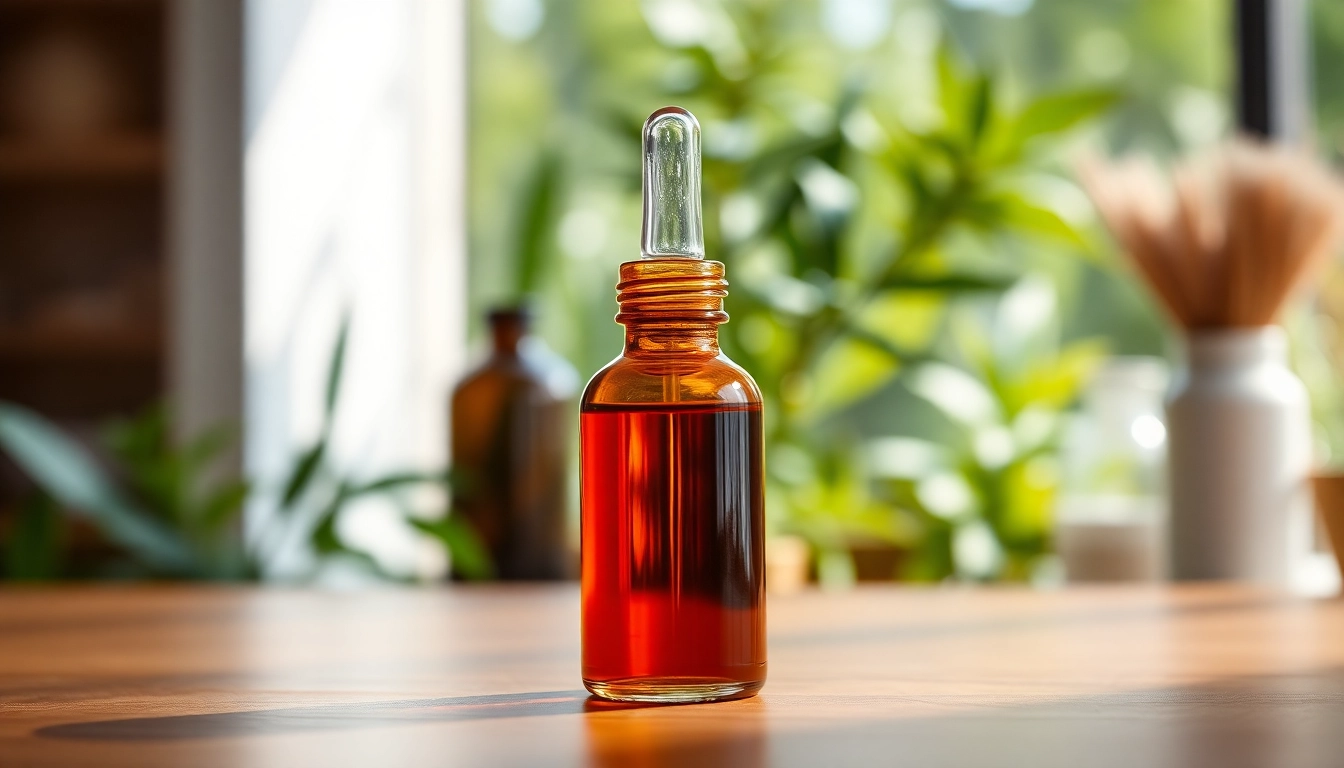
What is CBD Oil?
Definition and Source of CBD Oil
CBD Oil, or Cannabidiol Oil, is a natural extract derived from the hemp plant, a variety of Cannabis sativa. Unlike its more famous counterpart, THC (tetrahydrocannabinol), CBD does not produce psychoactive effects; meaning it won't get you high. CBD Oil is primarily extracted from the flowers, leaves, and stalks of the hemp plant. Its extraction process is meticulously tailored to retain as many beneficial compounds as possible while removing unwanted substances, making it safe for consumption.
How CBD Oil is Extracted
The extraction of CBD Oil can be performed through several methods, each with its pros and cons. The most common extraction methods include:
- CO2 Extraction: This industry-standard method uses high pressure and temperature to extract CBD. It produces a highly pure oil, but the equipment required can be costly.
- SOLVENT Extraction: In this method, solvents such as ethanol or butane are used. While it's efficient, the quality can be adversely affected if residual solvents remain.
- OLEWAX Extraction: A more traditional approach, this method combines cannabis with oils to extract cannabinoids. While it’s a simpler process, it may not provide the high purity associated with CO2 extraction.
Common Types of CBD Oil
When purchasing CBD Oil, you will often encounter different types, each serving various preferences and needs. These types include:
- Full-Spectrum CBD Oil: Contains all the compounds found in the cannabis plant, including trace amounts of THC, giving it an "entourage effect."
- Broad-Spectrum CBD Oil: Similar to full-spectrum but without THC, this type offers many benefits without the risk of psychotropic effects.
- CBD Isolate: A pure form of CBD with all other compounds removed. It has no taste or smell, making it versatile for many applications.
Benefits of CBD Oil
Potential Health Benefits
Research suggests that CBD Oil may offer numerous health benefits. Among the most cited are:
- Pain Relief: Many users report a reduction in chronic pain conditions due to CBD's anti-inflammatory properties.
- Anxiety and Depression Relief: Some studies indicate that CBD might help in alleviating anxiety and symptoms of depression, offering a potential alternative to traditional therapy.
- Neurological Disorders: CBD has shown promise in treating conditions like epilepsy and multiple sclerosis, demonstrating effectiveness in reducing seizure frequency.
CBD Oil for Stress Relief
Stress is an unavoidable part of modern life, but CBD Oil may help mitigate its effects. By interacting with the endocannabinoid system, it potentially balances cortisol levels, the hormone released during stress. Studies suggest that CBD may also enhance serotonin production, contributing to improved moods and increased feelings of well-being. Whether consumed through tinctures, capsules, or even as an edible, CBD Oil may offer a calming effect for those battling daily stressors.
How CBD Oil May Aid Sleep
Quality sleep is crucial for overall health and well-being. Many individuals struggle with sleep disorders like insomnia, and CBD Oil has surfaced as a possible remedy. Research indicates that CBD may help by addressing the underlying causes of insomnia rather than merely masking symptoms. By regulating sleep patterns through its influence on the endocannabinoid system, CBD may prove beneficial for those who frequently battle difficulty sleeping. Users often report achieving a more restful night’s sleep, waking feeling more refreshed and alert.
Usage Guidelines for CBD Oil
How to Determine the Right Dosage
Finding the correct dosage of CBD Oil is crucial yet can be challenging due to several factors including body weight, metabolism, and the specific health issue being addressed. Common recommendations suggest starting with a low dose and gradually increasing until the desired effects are achieved. Typically, a range is provided on product labels, but consulting with a healthcare provider familiar with CBD is always advisable to personalize the dosage based on individual needs.
Ways to Take CBD Oil
CBD Oil is versatile, with multiple methods available for consumption:
- Sublingual: Placing oil under the tongue allows for rapid absorption.
- Ingestion: Integrating CBD into food or beverages is another effective approach, although it may take longer to feel the effects.
- Topical Application: For localized relief, CBD-infused creams and balms can be applied directly to the skin.
Understanding the Right Time to Use CBD Oil
The ideal timing for CBD Oil usage can depend on individual circumstances. For those using it for anxiety relief, taking it regularly may help maintain lower stress levels throughout the day. Conversely, those seeking to improve sleep quality may benefit from using CBD Oil an hour before bedtime. Observing personal responses and establishing a routine can yield the best results.
Risks and Side Effects of CBD Oil
Common Side Effects
While CBD is generally considered safe, it can cause side effects in some individuals. Common adverse effects include:
- Drowsiness
- Dry mouth
- Changes in appetite
- Diarrhea
- Fatigue
It's vital to pay attention to how your body reacts to CBD Oil and adjust usage accordingly.
Who Should Avoid CBD Oil?
Certain populations should exercise caution or avoid CBD altogether. Pregnant or breastfeeding women, individuals with liver disease, and those taking specific medications that may interact with CBD should consult a healthcare provider. Prioritizing safety is key when considering the introduction of new supplements into one’s routine.
Understanding Drug Interactions
CBD Oil can interact with various medications, particularly those with warnings about grapefruit, as CBD can inhibit cytochrome P450 enzymes in the liver which metabolize numerous drugs. It's crucial to discuss any potential interactions with a healthcare professional before starting CBD therapy to avoid adverse reactions and ensure safety.
Future Directions in CBD Oil Research
Current Studies on CBD Oil
Ongoing research is delving deeper into the complexities of CBD Oil and its applications. Rigorous scientific studies are being conducted to uncover its potential therapeutic properties in treating anxiety disorders, addressing chronic pain, and managing neurological conditions. These studies aim to validate the anecdotal evidence supporting CBD's health benefits by utilizing rigorous methodologies and broader sample sizes.
Emerging Applications of CBD Oil
The horizon is broadening for potential new applications of CBD Oil. Emerging interest in using CBD in veterinary medicine for pets suffering from anxiety, pain, or seizure disorders is surfacing. Additionally, innovative formulations incorporating CBD into mainstream products such as beverages and cosmetics are also emerging, highlighting its growing acceptance in various sectors.
What’s Next for CBD Oil Legislation?
The legislative landscape for CBD Oil continues to evolve. With increasing acceptance and recognition of its benefits, various regions are reconsidering regulations governing its use. The ongoing dialogue surrounding quality control, product labeling, and the legal status of CBD in different jurisdictions will significantly impact consumer accessibility and trust. As lawmakers aim to balance public health with market innovation, the future regarding CBD Oil's legal landscape looks promising.