
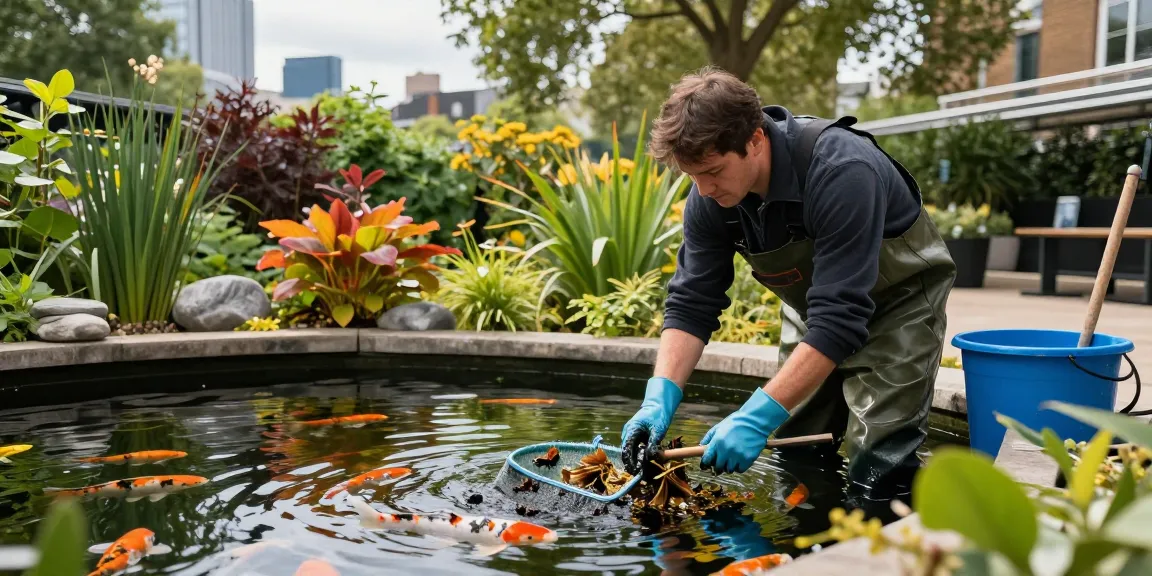
The Importance of Pond Cleaning in Urban Settings
In the bustling urban environment of London, the presence of ponds serves not only as aesthetic features but also as vital ecosystems that support biodiversity. However, with increasing urbanization and pollution, pond maintenance has become a critical responsibility for homeowners and caretakers. Regular pond cleaning is essential to maintain both water quality and the health of aquatic life, which in turn supports a balanced ecosystem. From preventing algae overgrowth to ensuring clear water and providing a habitat for local wildlife, the significance of professional pond cleaning cannot be overstated. Pond Clean London offers specialized services to address these urban challenges effectively.
Why Pond Maintenance is Crucial for Health
Pond maintenance is not just about aesthetics; it plays a critical role in the environmental health of urban areas. Dirty or neglected ponds can lead to water stagnation, which encourages the growth of harmful bacteria and algae. This can result in poor water quality, which negatively affects fish and other aquatic organisms. Regular cleaning helps to remove debris, sediment, and excess nutrients that contribute to these issues, ensuring the pond remains a healthy habitat for its inhabitants.
- Maintains water clarity and quality
- Prevents fish deaths caused by lack of oxygen
- Supports a diverse ecosystem
- Minimizes mosquito breeding, reducing disease risk
Common Issues Faced by London Ponds
London ponds face specific challenges unique to urban environments. These include:
- Pollution: Runoff from rainstorms can wash pollutants into ponds, making regular cleaning vital to protect aquatic life.
- Invasive species: Non-native plants and animals can disrupt local ecosystems, often resulting from poor maintenance practices.
- Water quality issues: Factors like nutrient loading from fertilizers can lead to algal blooms, reducing oxygen levels in the water.
Addressing these issues through proper pond cleaning helps to restore and maintain the natural balance essential for a thriving aquatic environment.
Environmental Benefits of Clean Ponds
Maintaining clean ponds goes beyond personal aesthetics; it contributes significantly to the local environment. Healthy ponds:
- Act as natural filtration systems, improving water quality downstream.
- Provide crucial habitats for wildlife, including birds, insects, and amphibians.
- Support biodiversity, contributing to ecological resilience.
- Help in carbon sequestration, mitigating climate change effects.
Thus, investing in professional cleaning services is not merely a service for homeowners, but a commitment to enhancing urban ecology.
Understanding Pond Cleaning Costs in London
When considering pond cleaning services, understanding the costs involved is essential for homeowners. Factors such as the size of the pond, its current condition, accessibility, and required services can all influence the final price. For instance, a small garden pond might cost significantly less to clean than a larger koi pond that requires specialized care. It’s essential to obtain a detailed quote from service providers to understand what services are included.
Key Factors Influencing Cleaning Prices
Several factors can affect the pricing of pond cleaning services:
- Pond Size: Larger ponds naturally require more time and resources to clean.
- Water Quality: Ponds with severe contamination or algae blooms may require more intensive cleaning methods.
- Access: Ponds that are difficult to reach may incur additional costs for transportation and labor.
- Services Required: Basic cleaning versus thorough restoration can have significantly different price points.
Average Costs for Different Pond Sizes
The costs for pond cleaning services in London can vary widely, but here are some average figures:
- Small ponds (up to 500 sq ft): Approximately £250 to £400
- Medium ponds (500 – 1,000 sq ft): Around £450 to £600
- Large ponds (1,000+ sq ft): Starting at £700 and can exceed £1,000 based on condition and requirements.
It’s crucial to seek multiple quotes to compare services and find the best value for your particular pond cleaning needs.
Comparing Professional Services: What to Expect
When hiring a professional pond cleaning service, you can expect the following:
- Initial assessment of the pond’s condition
- A detailed cleaning plan tailored to your pond’s specific needs
- Safe handling of fish and aquatic plants during the cleaning process
- Post-cleaning maintenance advice to help keep your pond in top condition
Choosing a reputable service will ensure that all environmental and safety standards are met, providing peace of mind.
DIY Versus Professional Pond Cleaning: Making the Right Choice
Deciding whether to clean your pond yourself or hire professionals can depend on several factors, including your expertise, the complexity of the job, and the health of your pond. While DIY cleaning may save costs, it can also pose risks if not done correctly.
When to Hire Professional Help
It may be time to call in the experts if:
- Your pond has severe algae blooms or murky water.
- You lack the time or tools necessary for thorough cleaning.
- Your pond supports a significant number of fish and wildlife that need careful handling.
- You want a long-term maintenance plan to keep your pond healthy.
Essential Tools for DIY Pond Cleaning
If you decide to undertake pond cleaning yourself, here are some essential tools you’ll need:
- Pond vacuum for debris removal
- Submersible pump for draining water
- Net for catching fish
- Algae removal chemicals (if necessary)
- Water testing kits to assess quality
Having the right tools will make the process more efficient and effective.
Common Mistakes to Avoid in Pond Maintenance
When cleaning your pond, it’s easy to make mistakes. Here are common pitfalls to avoid:
- Over-cleaning: Removing too much substrate can harm beneficial bacteria.
- Ignoring water quality: Not testing before and after cleaning can lead to poor water conditions.
- Neglecting wildlife: Not taking precautions for fish and plants can be detrimental to their health.
Seasonal Pond Care: A Year-Round Approach
Proper pond care requires attention throughout the year, with specific tasks during each season to maintain optimal conditions.
Spring Cleaning: Preparing for Summer
As temperatures rise, spring cleaning is necessary to prepare your pond for the warmer months. Tasks should include:
- Clearing debris from winter
- Inspecting and repairing water features
- Testing water quality to ensure it is suitable for aquatic life
Summer Tips for Maintaining Water Quality
In the summer, it’s paramount to monitor water temperature and quality. Consider:
- Regular testing for ammonia and nitrate levels
- Adding shade structures to prevent excessive evaporation and algae growth
- Cleaning filter systems regularly to enhance water flow
Winter Preparation: Protecting Your Pond
Winterizing your pond is essential to protect it from freezing temperatures. Steps include:
- Removing leaves and debris to prevent decay under ice
- Using pond heaters or aerators to maintain an open water area
- Ensuring fish have ample depth to survive cold temperatures
Future Trends in Pond Cleaning and Maintenance Services
As environmental awareness grows, the pond cleaning industry is evolving. Innovations and trends are changing how ponds are maintained, with a focus on sustainability and efficiency.
Innovations in Eco-Friendly Pond Care
New techniques in eco-friendly pond care are gaining popularity. These include:
- Biological filtration systems that use natural processes to keep water clean.
- Use of native plants to enhance biodiversity and water quality.
- Natural algae control methods that reduce chemical use, promoting healthier ecosystems.
Utilizing Technology for Efficient Pond Management
Technology plays a pivotal role in the future of pond care. With advancements such as:
- Automated water quality monitoring systems, property owners can receive real-time updates.
- Drone technology for large pond inspections and maintenance assessments.
- Mobile apps for scheduling maintenance and tracking water health over time.
Expert Predictions for Pond Care in 2026 and Beyond
Experts predict several trends in pond care for the future:
- Increased emphasis on biodiversity and wildlife-friendly practices.
- More collaboration between homeowners and environmental organizations for sustainable practices.
- Enhanced customer education programs focusing on long-term pond health.
How Often Should You Clean Your Pond?
Generally, smaller ponds should be cleaned at least once a year, while larger ponds may require more frequent attention depending on their use and the local environment. Some suggest a thorough clean every three to five years to maintain optimal conditions.
What Are the Costs of Professional Pond Cleaning?
As discussed, costs can vary widely based on several factors, but it’s crucial to budget appropriately and consider regular maintenance programs to avoid hefty repair bills down the line.
Can Cleaning My Pond Myself Save Money?
While DIY pond cleaning can save money, it requires knowledge and experience. Mismanagement can lead to more severe problems, resulting in higher costs for professional interventions later.
When Is the Best Time to Clean a Pond?
Typically, the best time to clean a pond is in the spring or early fall. This allows for optimal conditions for aquatic life to thrive while keeping the pond functional through seasonal changes.
What Should I Look for in a Pond Cleaning Service?
When hiring a pond cleaning service, consider the following:
- Experience and reputation within the community
- Certifications and insurance coverage
- A range of services offered beyond just cleaning
- Customer reviews and testimonials
By considering these aspects, homeowners can make informed decisions for their pond cleaning needs.