
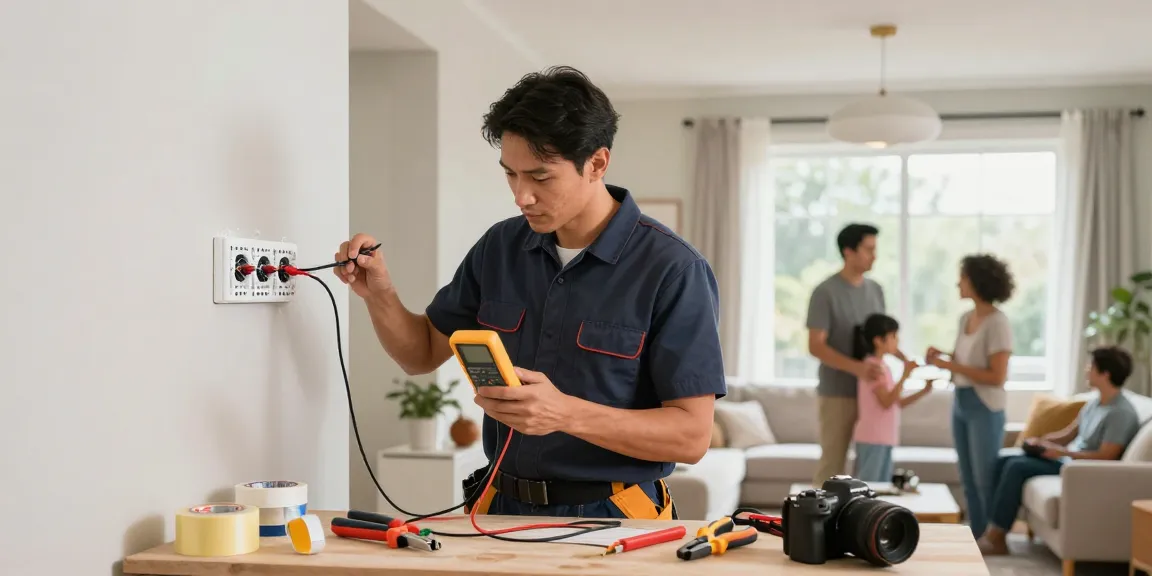
Understanding the Importance of Home Rewiring
Home rewiring is a crucial aspect of maintaining a safe and efficient living environment. Electrical systems that were once adequate may no longer meet the growing demands of modern technology and appliances. As we embrace a future filled with smart home devices and increased electrical loads, it’s essential to ensure that your home’s wiring can handle these changes. When exploring options, atscleaning.co.uk provides comprehensive insights on upgrading your home’s electrical infrastructure. In this guide, we will discuss the significance of home rewiring, signs that indicate your home may need it, and the safety risks associated with ignoring electrical upgrades.
What is Home Rewiring?
Home rewiring refers to the process of replacing or upgrading the electric wiring in a residence. This can involve the entire electrical system or specific areas, depending on the needs of the home and the condition of existing wiring. Typically, homes that are several decades old may not have the capacity to support modern electrical demands, making rewiring an essential upgrade for safety and functionality.
Signs Your Home Needs a Rewire
There are several signs that indicate it may be time to rewire your home:
- Frequent Circuit Breaker Trips: If your circuit breakers trip often, this could be a sign that your wiring is outdated or overloaded.
- Flickering Lights: Lights that flicker or dim often could signal faulty wiring or an overloaded circuit.
- Discolored Outlets and Switches: Any discolored outlets or switches can indicate overheating and may need immediate attention.
- Old Wiring Types: Aluminum wiring, commonly used in homes built between the 1960s and 1970s, is now considered a fire risk and should be replaced with copper wiring.
- Burning Smell: A burning smell near outlets or switches is a severe warning sign that wiring needs to be evaluated or replaced.
Safety Risks of Ignoring Electrical Upgrades
Ignoring the need for electrical upgrades can lead to significant safety hazards. Outdated wiring systems pose risks such as electrical fires, electrocution, and even damage to appliances. It is imperative for homeowners to recognize these risks and take action before a minor issue escalates into a dangerous situation.
Planning Your Home Rewire Project
Once you’ve determined that your home requires rewiring, proper planning is essential. A comprehensive plan can help ensure a smooth project with minimal disruptions. This includes assessing your current electrical system, finding qualified professionals, and setting a realistic budget.
Assessing Your Current Electrical System
Before starting a rewire, it is essential to conduct a thorough assessment of your current electrical system. This assessment should include an inspection of your main electrical panel, circuit breakers, outlets, and overall wiring condition. Identifying problem areas can help electricians prioritize repairs and upgrades effectively.
Finding a Qualified Electrician
Selecting a qualified electrician is critical to the success of your rewiring project. Look for licensed professionals who have experience with residential rewiring. Reading reviews, checking references, and confirming credentials can assist in finding reliable experts for the task. Additionally, ensure that they understand local building codes and regulations.
Setting a Realistic Budget for Rewiring
Home rewiring can be a significant investment. Costs can vary greatly based on the size and age of your home, the complexity of the project, and the materials used. It is essential to establish a budget that not only covers the rewire itself but also any additional expenses, such as permits and potential restoration work following the project.
Executing Your Home Rewiring
Once you have a plan in place, it’s time to execute the rewiring project. This phase will require coordination with your chosen electrician and may include several important steps to ensure the project is completed efficiently and safely.
Step-by-Step Guide to Rewiring
The rewiring process typically follows these steps:
- Disconnecting Power: Before any work begins, the power to the home must be turned off to ensure safety.
- Removing Old Wiring: Existing wiring and outlets will be removed, creating space for new installations.
- Installing New Wiring: New wiring will be installed according to current standards and codes, ensuring it can handle modern electrical loads.
- Updating the Breaker Panel: Depending on the home’s needs, upgrading the breaker panel may be necessary to accommodate new circuits.
- Testing and Inspection: After installation, the entire system will be tested for functionality and safety before the final inspection.
Common Challenges During Rewiring
Home rewiring can come with challenges. Homeowners may encounter hidden issues within walls, such as pest damage or air leaks, which can complicate the installation process. Additionally, ensuring minimal disruption to daily life while maintaining a safe work environment can be a logistical challenge. Working with experienced electricians can help navigate these challenges effectively.
Ensuring Compliance with Local Codes
Every locality has specific electrical codes governing residential wiring, primarily focused on safety and efficiency. When rewiring your home, compliance with these codes is crucial. Homeowners should consult their electrician to ensure that all aspects of the rewiring meet the legal requirements for their area.
Benefits of Upgrading Electrical Infrastructure
Investing in a home rewire not only enhances safety but also brings several additional benefits that can improve your quality of life and overall home value.
Improved Safety and Reduced Fire Risks
By upgrading your electrical infrastructure, you significantly reduce the fire risk associated with outdated wiring. New wiring systems are designed to handle current loads without overheating, ensuring a safer living environment.
Enhanced Energy Efficiency and Cost Savings
Modern wiring can contribute to energy efficiency by minimizing wasted energy. This not only leads to lower utility bills but also reduces the home’s overall carbon footprint, appealing to environmentally-conscious homeowners.
Increased Home Value Through Modernization
A well-executed rewire enhances a home’s marketability. Prospective buyers are often wary of older electrical systems, and a modernized electrical infrastructure can lead to a higher selling price and quicker sales in the competitive housing market.
Future Trends in Residential Electrical Systems
Keeping pace with technological advancements is vital for the longevity of your home’s electrical system. As we look toward the future, several trends are shaping residential electrical systems.
Smart Home Technology Integration
The integration of smart home technology is on the rise. Modern electrical systems can be designed to accommodate smart devices, allowing homeowners to control lighting, heating, and security systems remotely. This convenience enhances overall home management and can lead to energy savings.
Sustainable and Eco-Friendly Wiring Solutions
As sustainability becomes increasingly important, eco-friendly wiring solutions are gaining popularity. Options such as low-impact materials and energy-efficient circuits are being used to minimize environmental impact and promote sustainability in residential settings.
Preparing for 2026 Electrical Standards
With evolving technology and safety regulations, homeowners should prepare for upcoming electrical standards set for 2026. Staying informed about these changes ensures compliance and positions your home for optimal safety and efficiency in the years to come.
What Are the Common Costs of Home Rewiring?
The cost of rewiring a home can vary widely depending on several factors, including the size of the home, the existing condition of the wiring, and regional labor rates. On average, homeowners can expect to spend between £2,000 to £10,000 for a full rewire. However, it’s essential to obtain quotes from multiple electricians and consider the long-term benefits of investing in high-quality work.
How Can I Choose the Right Electrician for My Project?
Choosing the right electrician is crucial for a successful home rewire. Look for licensed and insured professionals with positive customer reviews. Discuss your specific needs, verify their experience with rewiring projects, and request a detailed written estimate to ensure clarity on the project scope and costs.
What Should I Expect During the Rewiring Process?
During the rewiring process, homeowners should expect some temporary disruptions, such as limited access to certain areas of the home and occasional noise. However, professional electricians will strive to complete the project efficiently, ensuring the least amount of disturbance to your daily life while adhering to safety protocols.
How Can Homeowners Ensure Safety During Electrical Work?
Safety is paramount during electrical work. Homeowners should communicate openly with their electricians about any concerns and ensure that all safety measures are being followed. This includes turning off power to the appropriate circuits, using proper tools, and following local codes.
What Are the Latest Trends in Electrical Safety?
Recent trends in electrical safety focus on technology integration, such as the use of smart circuit breakers that automatically shut off in the event of a fault, and enhanced monitoring systems that alert homeowners to potential risks. Staying informed about these advancements can further contribute to a safer home.