
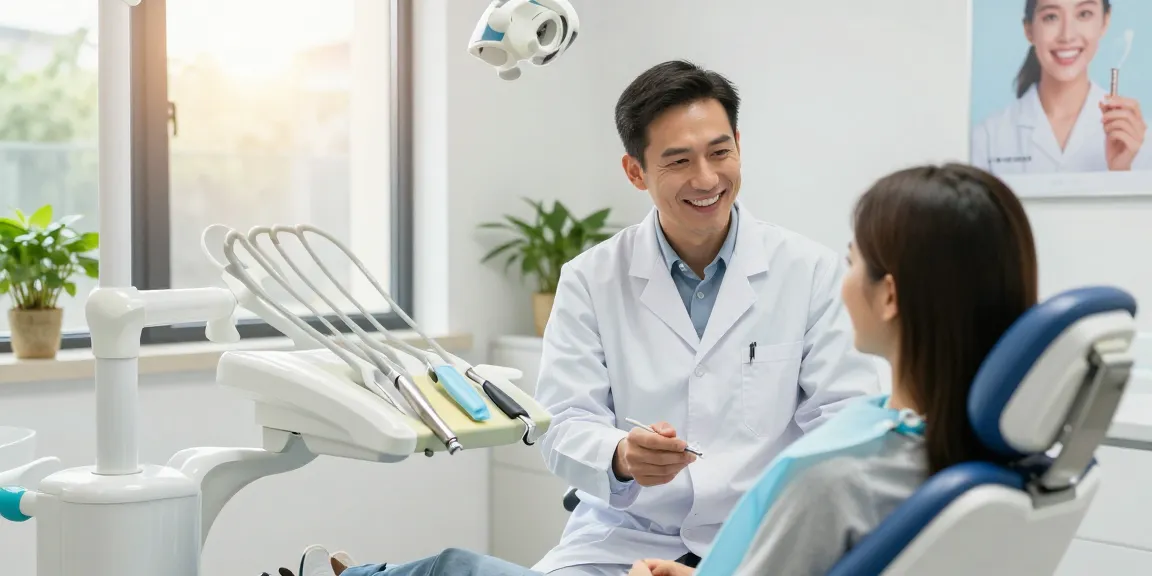
Understanding the Importance of Visiting Your Dentist
Regular dental visits are an essential component of maintaining optimal oral health. Many individuals underestimate the significance of these appointments, often waiting until a problem arises before seeking professional help. However, proactive dental care is vital for preventing serious issues down the line. From detecting cavities to identifying early signs of gum disease, visiting your dentist regularly can save you time, money, and discomfort in the long run. For those looking to improve their dental health, platforms that help you find a dentist to easily visit make the process simpler and more efficient.
Why Regular Dental Visits Matter?
Routine dental check-ups typically occur every six months, which allows dentists to monitor your oral health consistently. These visits are critical for several reasons:
- Preventive Care: Regular examinations help detect potential issues before they become severe.
- Expert Advice: Dentists provide personalized recommendations for improving your oral hygiene.
- Maintenance of Oral Health: Cleaning and polishing teeth during visits reduces plaque build-up.
- Oral Cancer Screening: Dentists can perform screenings that detect early signs of oral diseases.
Common Dental Issues Addressed During Visits
During your routine visits, dentists often check for several common dental problems, including:
- Cavities: By examining your teeth, dentists can spot early decay that may need filling.
- Gum Disease: Periodontal disease can be identified through the gum condition and pocket measurements.
- Tooth Sensitivity: Dentists can assess the causes of sensitivity and recommend treatments.
- Wear and Tear: Issues such as bruxism (teeth grinding) can be detected and addressed.
Benefits of Preventive Dental Care
Investing in preventive care through regular dental visits brings numerous benefits:
- Cost-Effective: Treating dental issues early is significantly less expensive than treating advanced conditions.
- Time-Saving: Early detection reduces the need for more extensive treatments and visits.
- Improved Overall Health: Oral health is linked to overall health; maintaining it can prevent systemic illnesses.
- Enhanced Confidence: A healthy smile contributes to better self-esteem and confidence.
Innovations in Dental Technology for Your Visit
As dental technology continues to evolve, so do the tools available to make your dental experiences more comfortable and efficient. Innovations such as teledentistry, advanced imaging, and smart dental tools are reshaping the patient experience.
The Rise of Teledentistry: Virtual Consultations Explained
Teledentistry has emerged as a revolutionary option for patients, allowing them to consult with dentists from the comfort of their homes. Virtual consultations enable dental professionals to assess issues, provide advice and even follow up on ongoing treatments without the necessity of an in-person visit. This is particularly beneficial for those in remote areas or for individuals with scheduling constraints.
Advanced Imaging Techniques Enhancing Patient Experience
Modern dental practices utilize advanced imaging technologies such as 3D imaging and digital X-rays to provide clear and detailed pictures of your oral health. These technologies not only enhance diagnostic accuracy but also reduce radiation exposure compared to traditional imaging methods. Additionally, they allow for quicker assessments and treatment planning.
Smart Dental Tools Making Visits Less Stressful
Various smart tools and devices, from electric toothbrushes that track brushing habits to handheld scanners that create precise impressions, have emerged. These tools are designed to enhance the efficiency of dental visits and make them less stressful, ensuring that patients leave with a positive experience.
How to Prepare for Your Dental Visit
Preparation for your dental appointment can significantly enhance the effectiveness of the visit. Knowing what to expect and having the right information ready can make a considerable difference.
Essential Questions to Ask Your Dentist
When you meet your dentist, consider asking the following questions:
- What are the options for treatment if issues are detected?
- How can I improve my oral hygiene routine at home?
- Are there any specific products you would recommend for my needs?
- What signs of dental problems should I watch for in the future?
Documenting Your Dental History Effectively
Before your visit, compile your dental history, including past treatments, allergies, and any medications you’re currently taking. This information is crucial for your dentist to provide accurate diagnoses and treatments.
What to Expect During a Typical Dental Appointment
A typical dental appointment will include an initial examination, cleaning, and potentially X-rays. Your dentist will review your dental history and current concerns before proceeding with any necessary treatments.
Maximizing Your Dental Benefits: Tips for Patients
Understanding your dental benefits and how to use them effectively can lead to substantial savings and improved health outcomes.
Understanding Your Dental Insurance Plan
Before your appointment, take time to understand your dental insurance. Familiarizing yourself with coverage limits and included services will help you make informed decisions during your visit.
Choosing the Right Dentist for Your Needs
Finding a dentist that meets your specific needs is crucial. Consider factors like specialization, location, and patient reviews when selecting a dental practice. Online platforms that allow you to easily find a dentist can facilitate this process.
Utilizing Flexible Spending Accounts (FSAs) for Dental Care
FSAs are a great way to manage dental expenses. Allocate a portion of your salary to an FSA, and use those pre-tax dollars to cover eligible dental expenses, maximizing your financial resources.
Future Trends Shaping Dental Visits in 2026
As we look toward 2026, several trends are emerging that will influence the landscape of dental care and patient experiences.
Emerging Trends in Patient-Centered Care
The future of dental care is leaning heavily towards patient-centered approaches. This includes listening to patient feedback, involving them in treatment decisions, and offering tailored care experiences that meet individual health needs.
Environmental Sustainability in Dental Practices
Eco-friendly practices are becoming increasingly important in dental care. Many dental offices are adopting sustainable practices such as digital records, biodegradable materials, and energy-efficient equipment, contributing to a healthier planet.
Continued Emphasis on Patient Education and Engagement
As patient education becomes more accessible through technology, practices are prioritizing patient engagement. Informative resources, such as videos and interactive apps, are being used to empower patients to take control of their oral health.
What should I bring to my dental visit?
To ensure a smooth dental visit, bring along your insurance card, a valid ID, and any necessary medical information. Additionally, consider preparing a list of questions or concerns you want to discuss during your appointment.
How often should I visit the dentist?
Most dental professionals recommend visiting the dentist every six months for routine check-ups and cleanings. However, some individuals with specific dental health needs may require more frequent visits.
Can technology improve my dental visit experience?
Absolutely! From appointment scheduling to teledentistry and advanced imaging technologies, integrating technology can significantly enhance your overall dental experience.
What should I do if I have dental anxiety?
If you experience dental anxiety, communicate your concerns with your dentist. They can employ techniques to help relax you during your treatment, such as sedation options or providing a calming environment.
Are emergency dental visits covered by insurance?
Coverage for emergency dental visits varies depending on your insurance plan. It’s wise to check your policy and contact your provider to ascertain coverage details beforehand.

